Sometimes, poems are inspired by a single word, and when you mine that word, you find a multi-faceted glistening diamond of a heart that holds light in its depths and throws it back out in a thousand directions.
This poem was inspired by such a word and, in particular, by the contrast between its deep and beautiful multi-faceted meaning and the dull, dry veneer that so often obscures its inherent beauty.
Inclusion
They stride into language, apply their restraints, pinion the word against its will, chemical numbness forced into its veins
“You won’t feel a thing”
And then, as it sleeps, they shrink it, squeeze it, scarify with scalpel, diminish with drains, until all that is left is a dry, empty husk
Of burden and duty, of optional extra, of “if you don’t mind”, “if you like”, “if you can”, “if you’re sure”, “if you have the resources – but we’ll make sure you don’t.”
And you don’t feel a thing as this beautiful word with its wide, open heart has its rainbow of feathers plucked from its wings so it can fit in the box that they ask you to tick
And you do not remember how its voice used to sing of belonging and value in thousands of harmonies threaded together in rising crescendo of invitation
You no longer discern how its arms can unfold in abundant embrace building bridges across oceans of difference
But though they take the word and render its meaning less they cannot make it meaningless
For the world-changing power lies not in the word, but in deeds, in deeply rooted, all-encompassing, chaotic, dishevelled, glorious acts of building bigger tables and tearing down fences
And they fear this rebellious riot of grace beyond their control, but the beauty is that there is space, a still small space, even for them to sit in their discomfort
That is what it means – there is room for all
When we choose to live lives through that prism of love, releasing the light in full colour spectrum, however imperfectly, we breathe back life
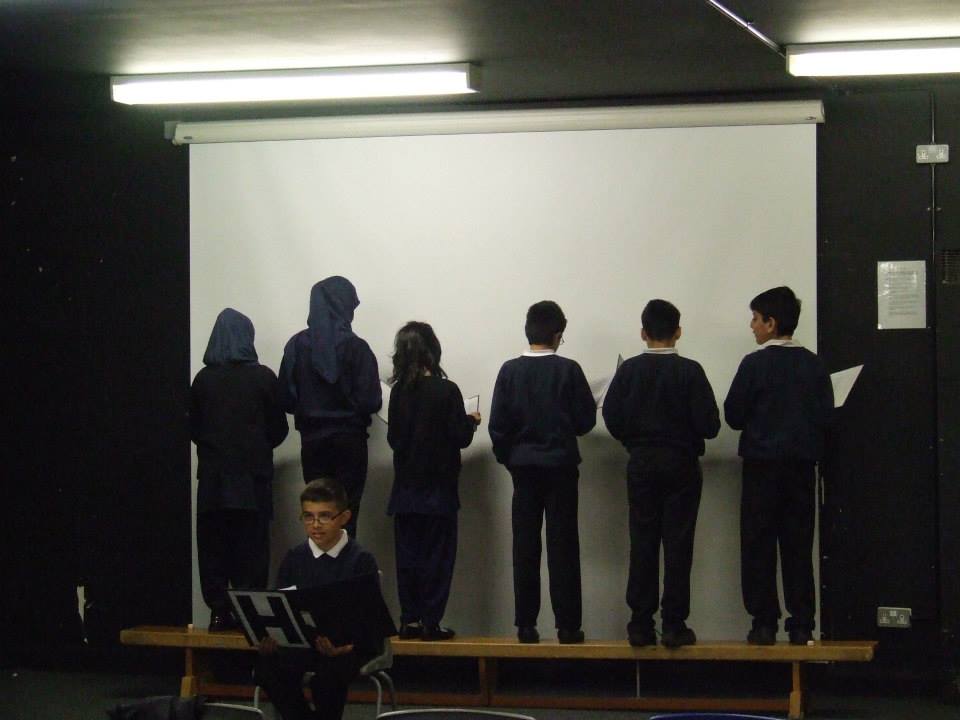
Ten years ago, I flew by the seat of my pants into a secondary school I’d never worked in before, my friend Amy, an actor, at my side. Our task – to prepare and perform a play in a week with a group of nine 11 and 12-year-olds. The subject – retelling three true stories of refugees who had lived in or passed through Bradford, in their own words. The script – freshly written, untried, untested. The aim – to educate the children on what it means to be a refugee so they could act as peer educators to their classmates.
We had four mornings – approximately 12 hours – to educate them on a topic they knew next to nothing about, run myth-busting sessions, sensitively share stories, workshop and block 11 pages of script into a performance that would hold the attention of other year sevens.
We had no idea if the project would work.
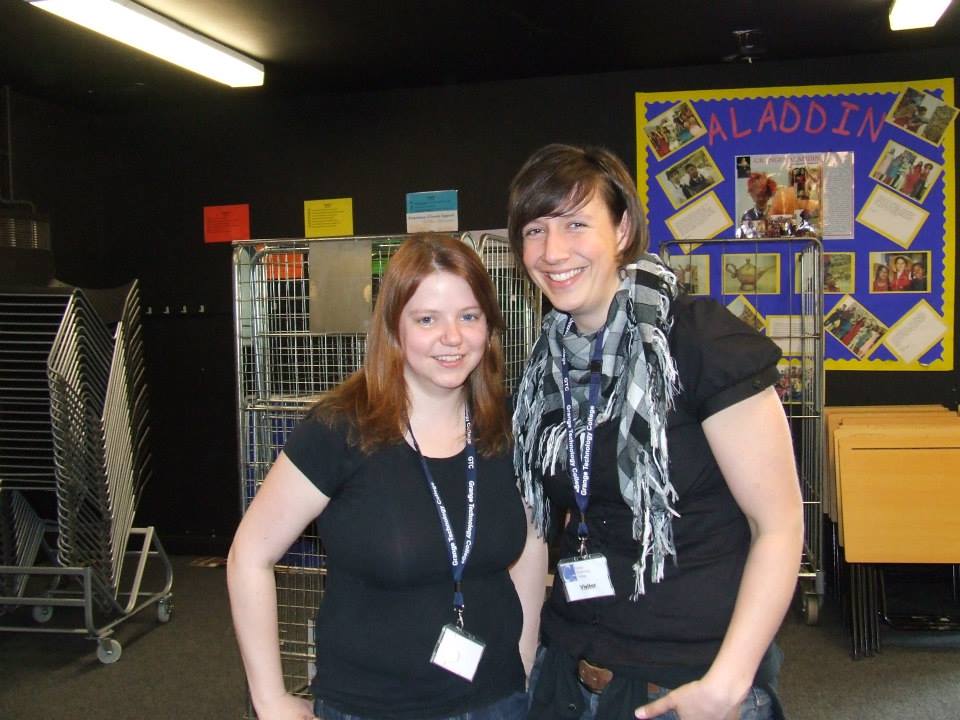
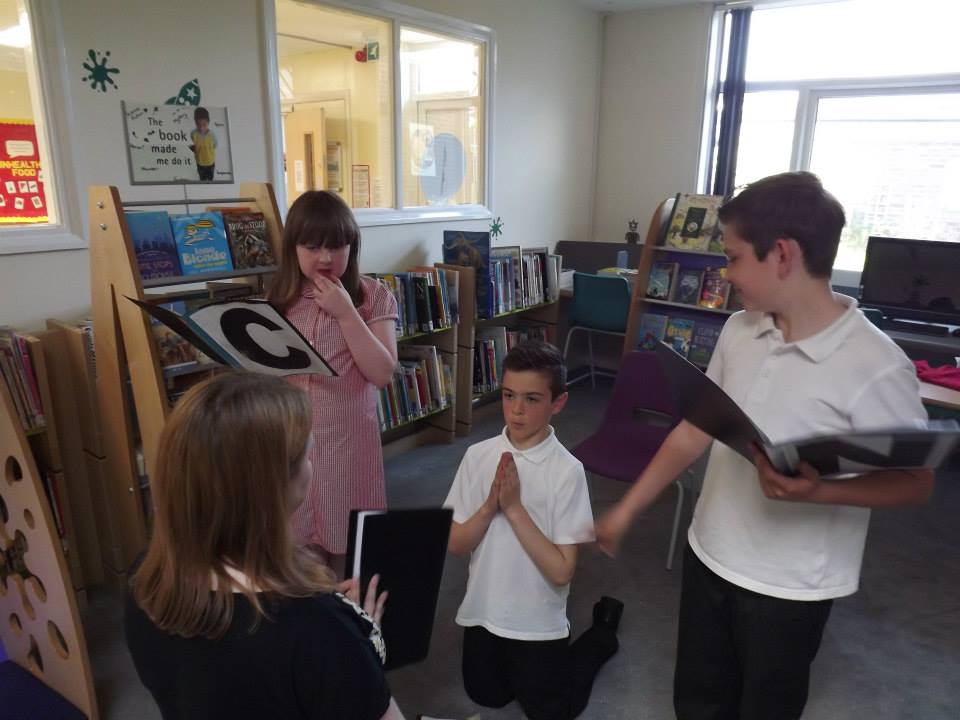
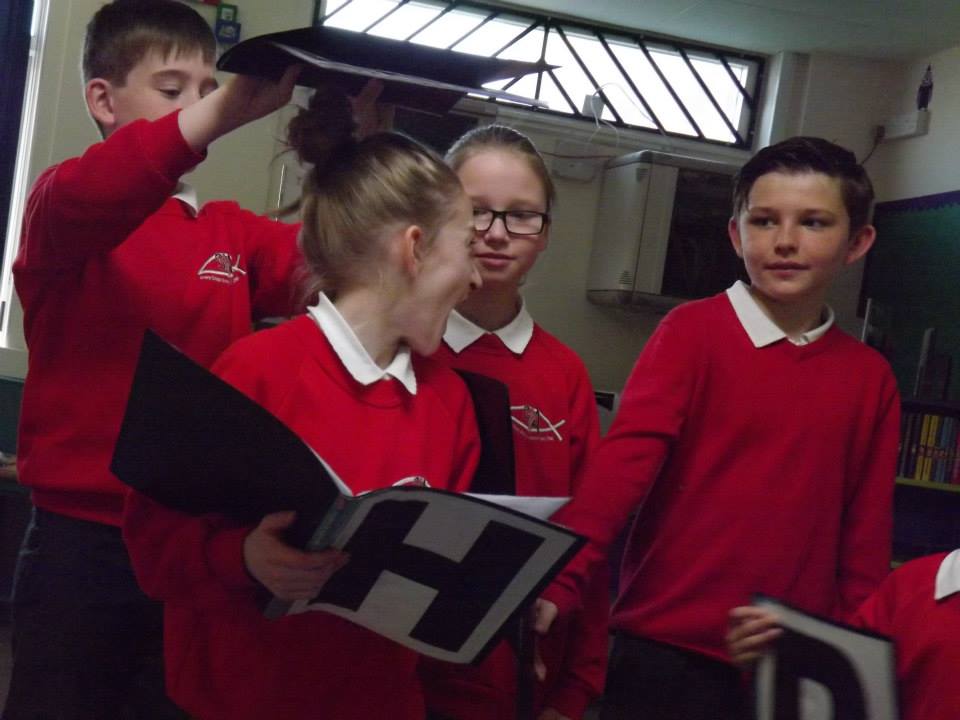
Working with Amy on the Refugee Voices pilot project, April 2011
On the first day, when we asked what they already knew about refugees, one boy shared the things his father told him from reading the tabloid newspapers. “They come over here to take our jobs, they get loads of money and big houses, they pretend to be in danger but they’re not really, they could just live somewhere else, they want to come here because we’re too soft.”
We gave him the main role in the play. He spoke the words that had been gifted to us by Michael, a Zimbabwean lecturer who came to the UK to take care of his sick daughter and found himself unable to return home. It took the UK asylum system 6 years to verify his claim and grant refugee status. He lost his career, his income, his family, his home.
The boy who was playing him came in one morning and told us he’d been in the park with his dad the night before. They’d seen a family they assumed to be refugees. His dad had started talking about them; and the boy turned to him and shared all that he had learned, the facts and the figures, the truth about the UK asylum system, correcting the myths propagated by the press.
And at that moment, we knew we were on to a good thing. That the project had worked. And that its purpose – building empathy and respect for those who have to flee their home countries in fear of their lives – was vital.
Since that first week, a decade ago, we have run the project more than 40 times. More than 400 amateur actors have performed our stories to over 2,300 people.
I have taken part in many thoughtful and sensitive conversations with children and young people, as they seek to meaningfully grapple with issues of power and war and displacement.
I have felt the dawning of deepening understanding in the silent, freeze-frame acting of torture and funeral scenes.
I have witnessed the discovery of light in the shadows, in the joy of a wedding scene, the warmth of welcome, the strength and kindness and determination of the human spirit.
I have seen a group of children support their classmate, a recently arrived refugee still getting to grips with English, to take part in the play alongside them.
I have seen young people determined not to take an interest at the start of the week thrive on the buzz of a powerful performance, declaring it the “best week of our lives!”
And I have seen their fire burning against injustice, their commitment and determination to tell the stories they have been entrusted with, truthfully and with respect.
Since that first pilot project ten years ago, we worked with Bradford’s City of Sanctuary group to set up the Schools of Sanctuary project in the city, establishing an annual art exhibition for Refugee Week, where artwork from refugees, schools, and professional artists is displayed alongside one another. The stories included in the script have been told in song, through artwork, and in animation.
And when I think back to those first tentative, uncertain steps, I am so glad that we took them. I love this project – it is needed now more than ever. The power of stories, of shared experience, is such a vital tool for changing hearts and minds and building a kinder, more empathic world.
More than anything, I am thankful to those who entrusted us with their stories. To Michael, Jhora, Richard, Judy and William. What a privilege it always is to tell them – and to see them changing lives.
*The man whose story goes under the name of Michael in our script sadly passed away earlier this year. He was the first to entrust us with his story, seeing the potential in the project and offering up his own words and experiences. He came to watch one of our early performances, hear the song inspired by his story, and speak to students afterwards; he was visibly moved by the experience. He was a larger-than-life character and a key contributor in bringing Refugee Voices to life. We won’t forget him.
Refugee Voices is a ground-breaking drama project created by Storyteller Julie Wilkinson and run in partnership with the Zephaniah Trust – find out more about it here. You can watch the online performance of Refugee Voices, filmed for Refugee Week 2020, here.
I’ve been working as a storyteller for an extraordinary organisation, the Zephaniah Trust, for almost 18 years. It was through them that I became a storyteller and they have provided the space for me to nurture and develop my gift ever since.
Around seven years ago, I wrote a story for Zephaniah’s 20th birthday celebrations. It was my attempt to capture what Zephaniah is, its character and its ethos, the work it carries out and how it touches the hearts of so many.
The sources of inspiration were multiple: – My friend and colleague, John, the man with “a guitar on his back and music in his heart”, who founded the Trust and has invested so much in drawing out the gifts of others. – Those who, over the years, have been part of the Trust and its journey – the pianists and whistle players, artists and circus performers, actors and office princesses, singers, percussionists and word-weavers – who joined in with what the Trust is and created an open, inclusive community to shine its light on others. – A song – Somewhere Along the Road – written by Rick Kemp and originally performed by Steeleye Span, first discovered by me through the Emily Smith cover version, a line from which appears near the end of the story.
And the beating heart of my tale, the text of Zephaniah 3:17 – a verse from the Bible and the inspiration for the Trust. “The Lord your God is with you. He is mighty to save. He will take great delight in you. He will quiet you with his love. He will rejoice over you with singing.”
What does it mean, what does it look like, to know all of that in our hearts and share it with those who have eyes to see and ears to hear? To enable people to know the presence and strength of God through present and strong community; to feel the great delight of God in how we take delight in one another; to feel the quiet comfort of his light in dark corners; to hear his voice rejoicing over us with singing.
Well, it feels like this…
Watch me tell the story or read it for yourself below. Long may Zephaniah continue to shine God’s light in dark corners.
Zephaniah Three: Seventeen
There was once a man who walked the land, travelling from place to place, carrying a guitar on his back and music in his heart. As he went, he stopped regularly to set the music free to the people he met.
It was very rare that he found the music wasn’t welcome – on those occasions, he would shake the dust off his feet and move on. But most of the people who heard his song listened. Some joined in. And some, as they listened, really heard it.
As he travelled, he met others on the road who went with him for a time. Pianists and whistle players. Artists and circus performers. Actors and office princesses. Some joined his song, singing with beautiful harmonies and soaring voices; some beat out patterns and rhythms, calling to others to join in; and some had a way with words, weaving them this way and that way into stories and poems, that opened people’s eyes and hearts to new ways of seeing.
Some of these fellow travellers walked with him for just a few miles. Others stayed for days, weeks, months, and years. But however long they stayed, once they had travelled together, they were joined by a bond that never broke, however stretched it became over distance and time.
This ragtaggle group of travelling players often found themselves tracing their steps back to the same places, again and again. In one such place, a boy and a girl grew up hearing their songs and listening to their stories.
On the first few visits, when they were very small, something called to them in the music and the actions and the giggles, and they responded instinctively. As they grew older, they found their mouths joining in with more of the words and their ears stretching to follow more of the stories. And as they grew older still, they began to notice that there was more to this group than just stories and music. There was something in the way they spoke to each other. There was something in the way they spoke to others. And there was something, something more, in the way that they walked.
The boy and the girl spoke of this to one another. What was it about this group that set them apart? What was it that made them different, that drew people to them wherever they went? What was it that was there, in the way that they moved, as though they were dancing to some music that only they could hear?
And the boy and the girl decided they would ask them.
So the next time the group arrived on a visit, the children watched as they settled and began unpacking their guitars and unwinding their stories. And then they approached and in tentative voices they asked,
“Excuse me, what is it that makes you move that way? What is it that you can hear that we’re missing?”
And the man and his ragtaggle bunch smiled down at them and crouched beside them, and said,
“Do you remember when you first saw us, when you were small, when the music and the laughter called to you and you joined in because you just couldn’t help it? Did you ever hear anything, something that wasn’t us?”
The children looked at one another and shook their heads.
“Then listen. Today, you should listen.”
And so the children took their places as the group began to play and sing and talk and laugh, and they listened. They listened hard, stretching their ears for all they were worth. But they didn’t hear anything except the sounds of the music. So, they concentrated their minds on the music and the words like never before. But they didn’t hear anything except the sounds of the music. So they strained and stretched their bodies and their muscles, listening with themselves till they started to ache. But they didn’t hear anything except the sounds of the music.
And then they remembered the words that had been spoken – “Remember – when you joined in because you just couldn’t help it?”
And they looked at each other and they listened again, but this time they listened with their hearts, opening themselves to the words and the music and the laughter, joining in with it all because they just couldn’t help it. And this time, as they listened, they heard a voice, soaring away above all of the rest – and they remembered it…
“Raise your eyes and see my world. Raise your voice and sing out!”
And so they sang and they sang, and the more they sang, the stronger the voice became. And their feet began to move, because they just couldn’t stop them, and they realised that this was it, this was what the man and his friends could hear. And something inside them felt whole and complete.
Afterward, they went to the man and his friends and asked, “Whose was that voice, that singing?”
And the man looked at them, smiled, and said, “The Lord your God is with you. He is mighty to save. He will take great delight in you. He will quiet you with his love. He will rejoice over you with singing.”
And the children both understood and didn’t understand, all at the same time, and their hearts felt full and their feet felt light and they knew that they’d found a music that was greater than that of the man and his friends. And they knew that now they’d found it, they would never be able to forget.
So raise your eyes and see his world, raise your ears and hear his voice, raise your voice and sing out! And never, never forget…
A story inspired by sea glass and pottery shards, the holiness of the ordinary, the beauty that gilds the brokenness, and those who mend the shattered pieces back together; and by kintsugi – the Japanese art of repairing broken pottery with seams of gold, embracing the beauty of the flaws and imperfections.
Shared in tribute to all those – key workers or otherwise – who are holding things together in this time of crisis. There’s still so much beauty…
When lockdown begins to lift,
And school doors open more widely
To re-embrace students and staff,
May we be brave enough
To turn our backs on the sprint
After lost academic progress,
And choose instead
A time of healing and restoration.
May we take the time to acknowledge
The sudden fracture in our way of life,
Shared fear, collective grief,
Friends and family members lost,
Those missing from our communities.
May we recognise that, for some,
School was the safety and the sanctuary
That home could never be,
That as we move to lock threat out,
Some have it locked in beside them.
May we recognise that, for others,
School was a daily, hourly struggle,
And home their safe port in the storm;
And they fear setting sail from their refuge
Into the battering onslaught of wind and wave.
May we recognise that, for some,
School didn’t close, but changed,
Anchoring those whose loved ones
Daily held the front line to face the threat
From which the rest of the world was hiding.
May we recognise that, for others,
Returning to routines that are familiar
Yet unfamiliar, the unsettling uncertainty
Of socially distanced classrooms will spark
A survival response to an ever-present threat.
May we recognise those teachers and staff
Who, faced with a nation staying at home,
Took themselves out to care
For the children who needed them most,
Resisting the instinct to protect their own first.
May we recognise those educators
Who stepped up to keep on educating,
Rapid adaptation into virtual teachers,
Creatively keeping contact
And serving school dinners to those in need.
May we recognise that mass home learning
Cannot produce uniform mass results,
That the progress made by our children
Will be valuable and varied and visible
In ways the system will not measure.
May we recognise that each of these –
Each child
Each young person
Each teacher and staff member –
Come from families who may have struggled
In a myriad of ways.
Let us recognise all of this and more,
And let us respond
With a time of healing and restoration.
Let us, for once,
Abandon our British stiff upper lip,
Name and identify our confused emotions
With scientific precision,
So they can be processed and safely stored.
Let us hold on to valuing connection
And the sense of community we have built.
Let us remember how the arts and music,
Play and collective creativity
Fed our souls and tied us together,
And let us weave them into a flexible foundation
For the future of our schools.
Let us step away
From reigning through rules,
Choosing instead
To regulate through relationship.
May we salute and applaud
The courage of teachers and headteachers,
Teaching assistants and support staff,
Who will take this opportunity
To build a Brave New World.
Let us listen to the experts
In mental health and wellbeing,
Neuroscience and child development,
And learn from them how to be
A nation that nurtures our children.
When lockdown begins to lift,
And school doors open more widely,
May we be brave enough to choose
A time of healing and restoration.
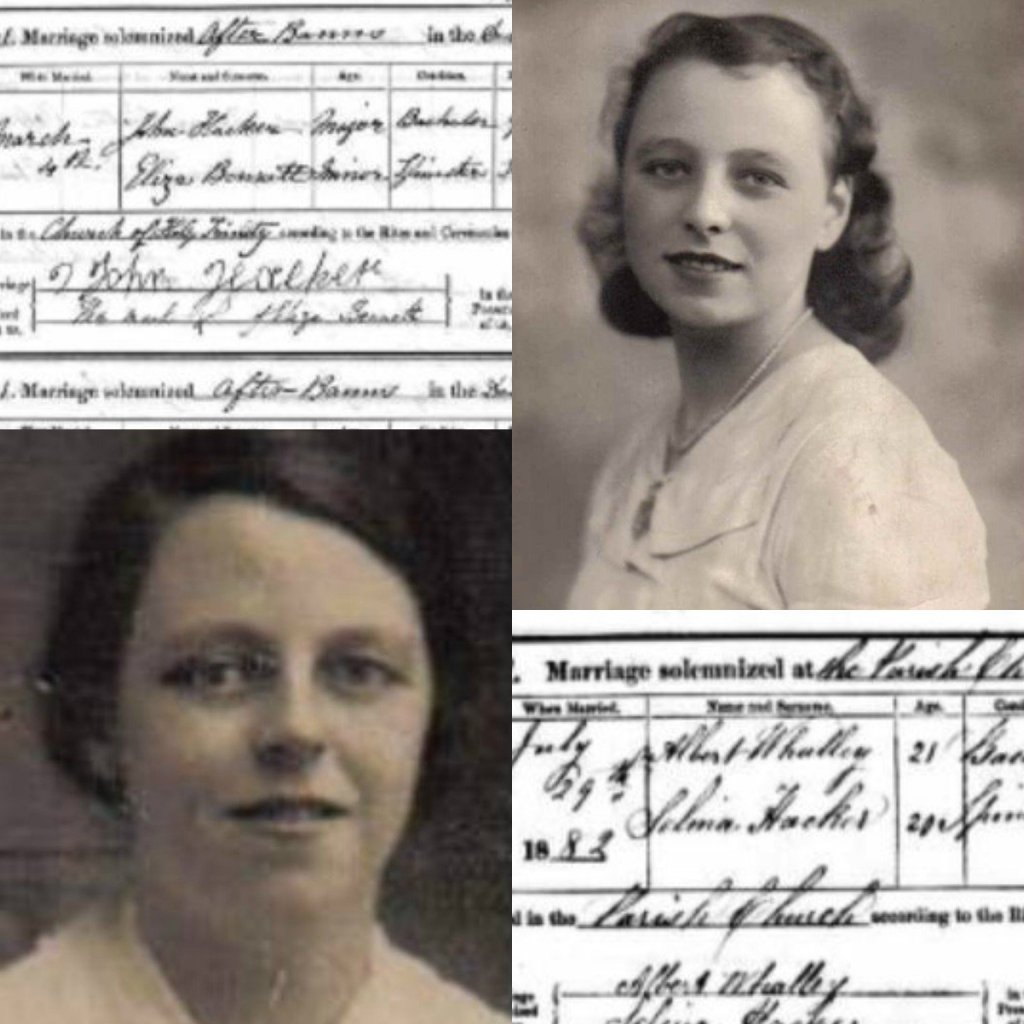
My great great great grandmother Shares her name With a literary heroine; Eliza Bennet. In 1841, Unable to claim it In pen and ink, She marked her marriage certificate With an ‘X’.
Her daughter, Selina, My great great grandmother, Before she was twenty Travelled two hundred miles, Alone, To work Beneath Burnley’s churning chimneys And choking cotton clouds.
Her daughter, Ida, My great grandmother, Built family, Gave care, Protected love, In the angry entrenched shadow Of a big black dog Named Shell-Shock.
Her daughter, Annie, My Nana, Surrendered education to earning. When war came, She joined an army Of postwomen Whose work changed hearts and minds, And employment policy.
Her daughter, Christine, My mother, Taught me That love can be fierce and strong As well as soft, And commitment Is powerful enough To change the world.
Her daughter, Me. I write Therefore I am. Literate. Educated. Loved. Unpicking their stories And stitching them together Into a patchwork Of mighty women.
My daughters, Mighty girls, Who dream Of closing the gender pay gap In professional football, And taekwondo-kicking Their way into Downing Street; She Who Dares Wins.
We stand on the shoulders Of (extra)ordinary giantesses, Amazonian ancestors, Each generation Sustaining the next To raise our voices Louder. Equality is coming; Hear us roar…
A couple of weeks ago, a challenge fell into my lap – to retell the Christmas Story through a climate justice lens. I wasn’t sure where the story would take me; but I wanted to share it with you in the midst of the December hustle.
So, take a few minutes out, find yourself a comfy spot, turn on the fairy lights, and listen to the stories of the angels…
(The Climate Justice Nativity is an original story by Julie Wilkinson, written and performed for the 2019 Amos Trust Carol Service in Normanton, West Yorkshire)
A couple of days ago, a simple five-word status rolled past in my Facebook memories. Just five words. Five words that, in a single instant, transported me back and held me in the now and stretched boundlessly into the future, all at the same time.
Those five words took me back to a moment suspended between the approval of the adoption panel and the introductions that would bring our first child home. An ending and a beginning, all at the same time.
We’d spent the evening with friends, hearing the story of St Brendan and his legendary voyage. A monk with a yearning for the ocean and a heart that beat to the crashing of the waves. A man whose God called him over the horizon, into the unknown, with a ragtag team of sailors and a wood-and-leather coracle, bound together with flax and a trust in the promised land.
Encounters with sea monsters. Gazing on the briny wonders of the deep. Forcing the oars through treacle-thick waters. Oasis moments on serendipitous islands. The scourging onslaught of the storm. The pitch and the swell and the roll of the sea. Finding the Promised Land. A return home.
As the story ended, I found myself back at the beginning. Standing with Brendan on the shore, solid, dependable, grounded. Yet the sand was already shifting beneath my feet, the whisper of the horizon was curling in my ear.
“Come. Set sail. Trust in the rolling ocean.”
In my other ear, doubt uncoiled and gripped.
“Do you have what it takes? Are you sure? Can you reef the mainsail, steady the helm, steer safely when the waves rise and the current takes you? Can you protect a small passenger from the raging tumult, hold them fast in the tempest unleashed? Do you even know how to sail?”
I didn’t know how to sail.
But the sands had already drifted and my feet were doused in the surf. So I made my choice. I got into the boat.
Years later and I still don’t know all the secrets of sailing. Our coracle is bound together with fierce love and abiding hope. It is storm-beaten, scarred, broken and mended. It carries four passengers now. Together, we encounter monsters, gaze on the beauty and the wonder of the deep, force our way through treacle-thick waters, find moments of oasis, and survive, and survive, through the scourging of the storms.
We haven’t found our Promised Land. But I suspect it is closer than we think, slowly unwinding through the act of sailing itself.
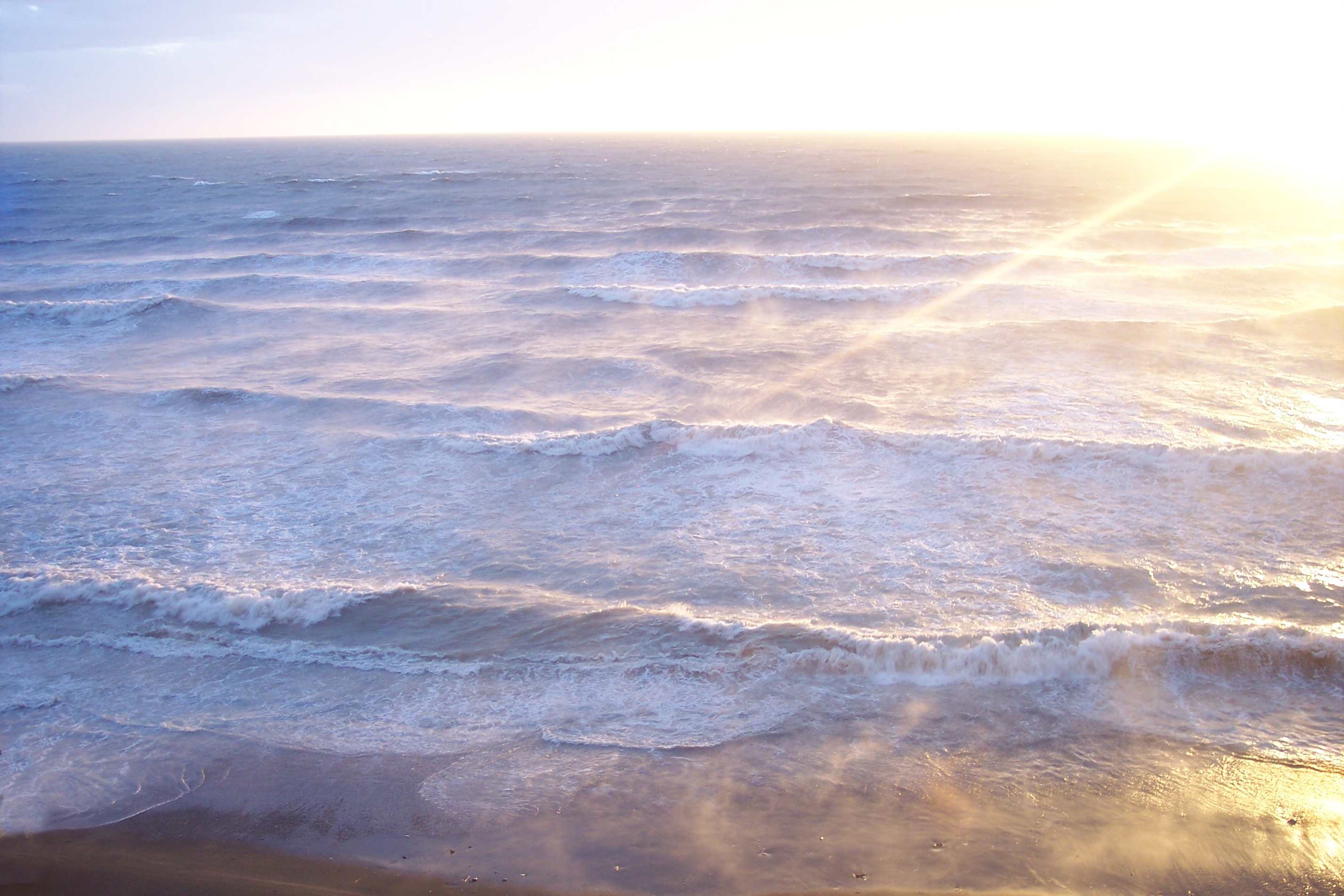
My soul is made of homespun comfort, an unassuming tapestry of cosiness and safety, rooted, anchored. But my heart felt a yearning for the ocean, beat with the crashing of the waves. And now the boat is where I belong.
Then. And now. And in the future.
Trust in the rolling ocean.
“Trust in the rolling ocean”is a lyric from a song written for the Darwin Song Project, put together by Shrewsbury Folk Festival in 2009, bringing eight folk artists together to write and record songs inspired by the story of Charles Darwin. As I doubted myself after hearing Brendan’s story all those years ago, the lyrics came into my head. The song has stayed with me ever since, an anthem to our family’s journey.

 Julie Wilkinson