Tag: Family

  • Love is…

    1539694282186

    Love is fierce.

    Love is strong.

    It cowers, and bends, and withstands crushing pressure; it folds in on itself.

    Love clings, love grips, love hangs on in the storm.

    It looks for the spark of light when there is none.

    Love knows when it is not enough. It seeks unceasingly for the scaffolding to shore it up.

    Love weeps.

    Love mourns.

    It sacrifices itself again and again.

    Love is steel.

    It digs in deep. It bides its time. It burns slowly into bloom.

    Love survives.

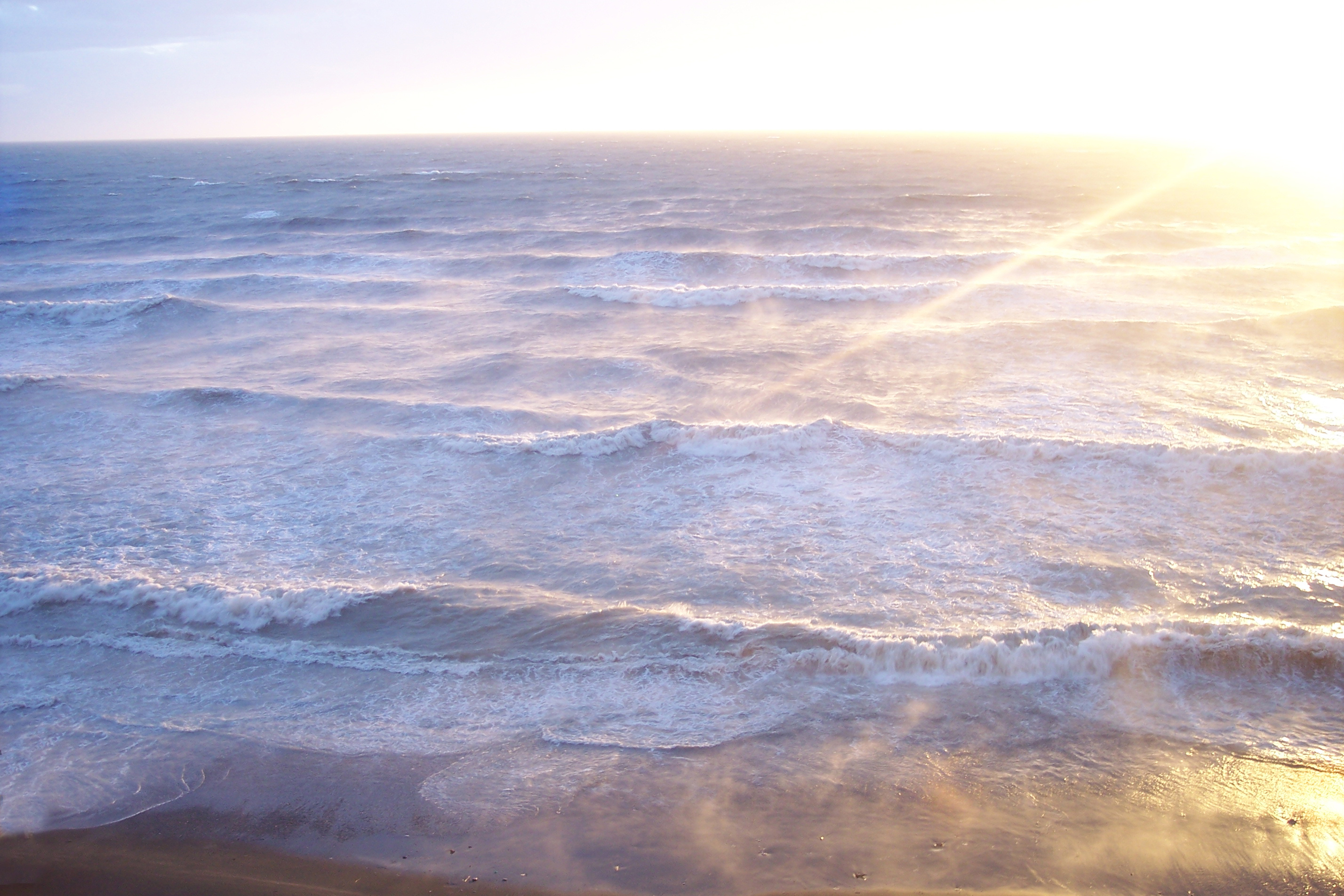
  • The Rolling Ocean

    FreeImages.com/tatlin
    FreeImages.com/tatlin

    A couple of days ago, a simple five-word status rolled past in my Facebook memories. Just five words. Five words that, in a single instant, transported me back and held me in the now and stretched boundlessly into the future, all at the same time.

    Those five words took me back to a moment suspended between the approval of the adoption panel and the introductions that would bring our first child home. An ending and a beginning, all at the same time.

    We’d spent the evening with friends, hearing the story of St Brendan and his legendary voyage. A monk with a yearning for the ocean and a heart that beat to the crashing of the waves. A man whose God called him over the horizon, into the unknown, with a ragtag team of sailors and a wood-and-leather coracle, bound together with flax and a trust in the promised land.

    Encounters with sea monsters. Gazing on the briny wonders of the deep. Forcing the oars through treacle-thick waters. Oasis moments on serendipitous islands. The scourging onslaught of the storm. The pitch and the swell and the roll of the sea. Finding the Promised Land. A return home.

    As the story ended, I found myself back at the beginning. Standing with Brendan on the shore, solid, dependable, grounded. Yet the sand was already shifting beneath my feet, the whisper of the horizon was curling in my ear.

    “Come. Set sail. Trust in the rolling ocean.”

    In my other ear, doubt uncoiled and gripped.

    “Do you have what it takes? Are you sure? Can you reef the mainsail, steady the helm, steer safely when the waves rise and the current takes you? Can you protect a small passenger from the raging tumult, hold them fast in the tempest unleashed? Do you even know how to sail?

    I didn’t know how to sail.

    But the sands had already drifted and my feet were doused in the surf. So I made my choice. I got into the boat.

    Years later and I still don’t know all the secrets of sailing. Our coracle is bound together with fierce love and abiding hope. It is storm-beaten, scarred, broken and mended. It carries four passengers now. Together, we encounter monsters, gaze on the beauty and the wonder of the deep, force our way through treacle-thick waters, find moments of oasis, and survive, and survive, through the scourging of the storms.

    We haven’t found our Promised Land. But I suspect it is closer than we think, slowly unwinding through the act of sailing itself.

    My soul is made of homespun comfort, an unassuming tapestry of cosiness and safety, rooted, anchored. But my heart felt a yearning for the ocean, beat with the crashing of the waves. And now the boat is where I belong.

    Then. And now. And in the future.

    Trust in the rolling ocean.


    “Trust in the rolling ocean” is a lyric from a song written for the Darwin Song Project, put together by Shrewsbury Folk Festival in 2009, bringing eight folk artists together to write and record songs inspired by the story of Charles Darwin. As I doubted myself after hearing Brendan’s story all those years ago, the lyrics came into my head. The song has stayed with me ever since, an anthem to our family’s journey.

    https://www.musixmatch.com/lyrics/Darwin-Song-Project/Trust-in-the-Rolling-Ocean

  • Twin Chords

    DSCF2376

    Imagine that, at the core of every human soul, there is a single shining golden strand. And in that strand is everything that makes a person who they are. And every time a person encounters love, their strand strengthens, glows, grows brighter in its shining.

    Some strands may be tall and straight and strong, others elegantly twisting and gossamer-thin, but this one thing they all hold in common – they are the essence of a person, full of glorious wonder, a well of potential waiting to be explored, fulfilled, celebrated.

    But as each strand is nourished by love, so other strands will grow alongside them. For wherever there is love, loss inevitably follows, for love and loss walk hand in hand. And every time a person encounters loss, a darker strand grows and curls around the golden core, snaking its way upwards, a lace overlay of shadows.

    And sometimes a loss comes that is so full and violent and devastating and traumatic, that the darker strand quickens at a rush and the person cannot remember how to find themselves underneath it.

    And when such devastating loss engulfs a core which has not first been nurtured by love and care, then the person may lose their ability to see their gleam altogether and, if they do catch a glimpse of it now and then, it is certainly not to be trusted.

    These twin chords of love and loss stretch at the centre of our family. And, together, our task, through intensive love and care and nurture, is to help one another see that the golden gleam can shine more brightly among the shadows. That the darker strands can be accepted as part of who we are because love and loss entwined have a beauty and a courage all their own.

    In a world that all too often thirsts and seeks for the holy grail of pure, unadulterated happiness, this can be a difficult truth to embrace. But every now and then, the clouds part, the shadows recede, the golden glow shines strongly through the latticework of loss and it is exquisite.

    It happened this weekend. Music is something of a lynchpin for us. As words people, we gather lyrics that chime with our experience, singing them at the top of our lungs, often in the car.

    Our latest acquisition (by Robbie Williams) starts with these words – and hearing them sung and claimed and owned yesterday by a voice that I love is some of the sweetest music I’ve ever heard:

    Tether your soul to me
    I will never let go completely
    One day your hands will be
    Strong enough to hold me

    I might not be there for all your battles
    But you’ll win them eventually
    I’ll pray that I’m giving you all that matters
    So one day you’ll say to me:

    I love my life
    I am powerful
    I am beautiful
    I am free
    I love my life
    I am wonderful
    I am magical
    I am me
    I love my life

    (songwriters: John McDaid, Robert Peter Williams, Gary Go
    published by: lyrics © Kobalt Music Publishing Ltd)

  • Elastic Threads of Love


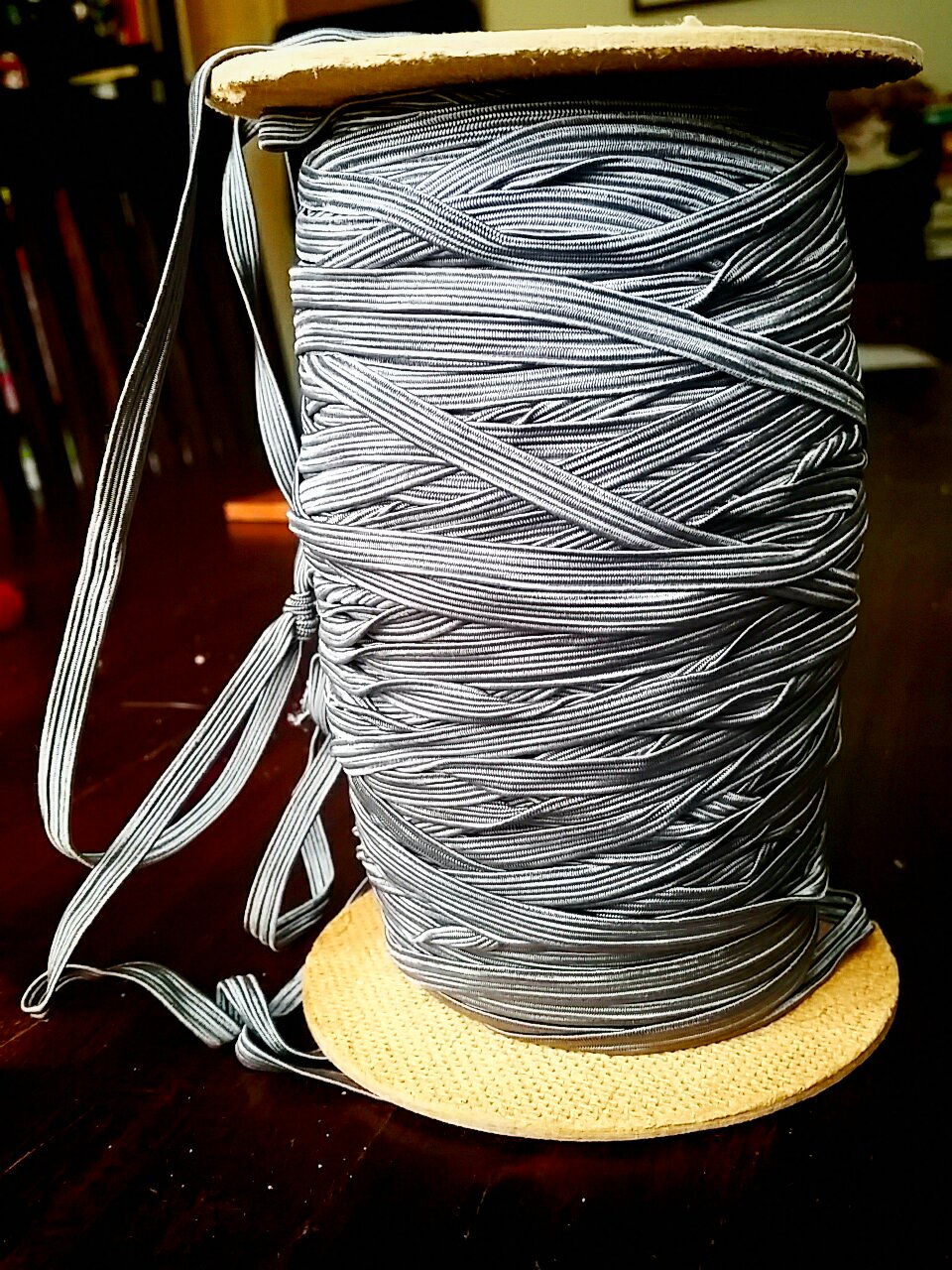
    In our house, we talk about how love grows between our hearts like invisible threads of elastic. Wherever we are, these threads always connect us to one another. And there is always enough thread to unravel, however far apart we are. And because the threads are elastic, (and we’re not just talking your regular elastic here, we’re talking magic, super-strength, invincible elastic) our love, though it stretches, can never bend or break. Sometimes it might pull and that can cause us pain. But the threads always endure, they never snap.

    For our girls, explaining love in this way helps in all sorts of circumstances. When they are worried about being apart from us, the elastic stretches to keep us connected. When they miss those they have loved and lost, though it hurts because their old threads of love are pulling, there is comfort in knowing they are still there. When we tug each other’s threads out of anger, fear or frustration, they are strong enough not to be pulled out and, though we may cause one another pain, we can stop pulling and the threads will snap quickly back into place.

    And the threads of love that connect us aren’t confined to our little family of four. Our hearts are also linked to those who love us, our extended family and friends, the village of people who surround us and support us and bring colour and joy to our lives.

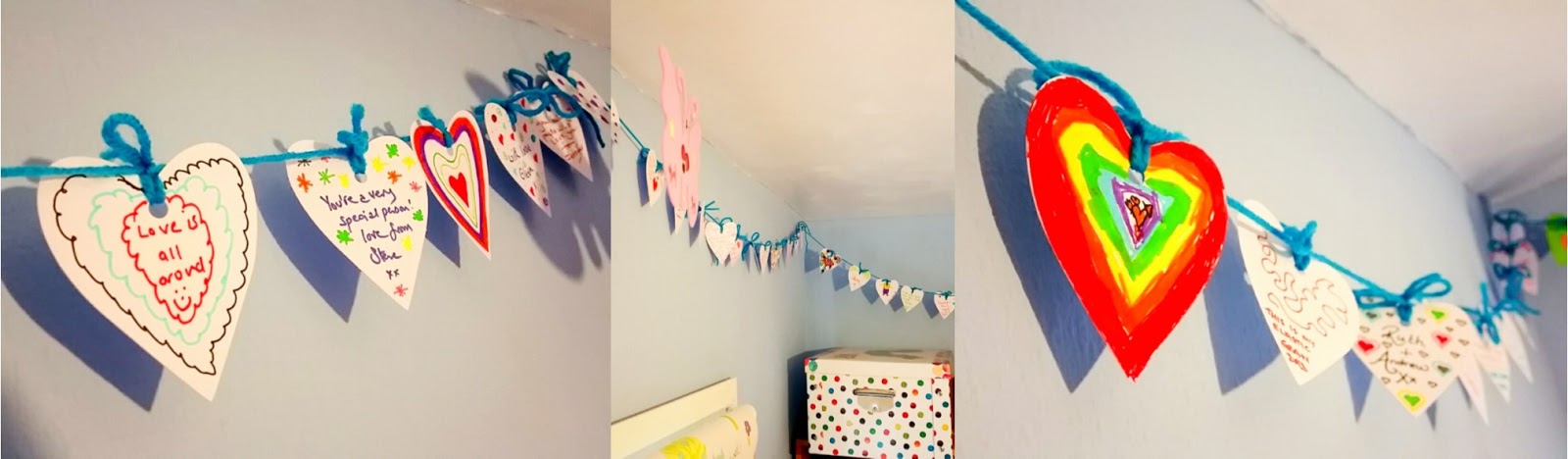
    This week, I finally got round to putting some bunting up in our youngest daughter’s bedroom. And it is beautiful. Seeing it there makes us smile.

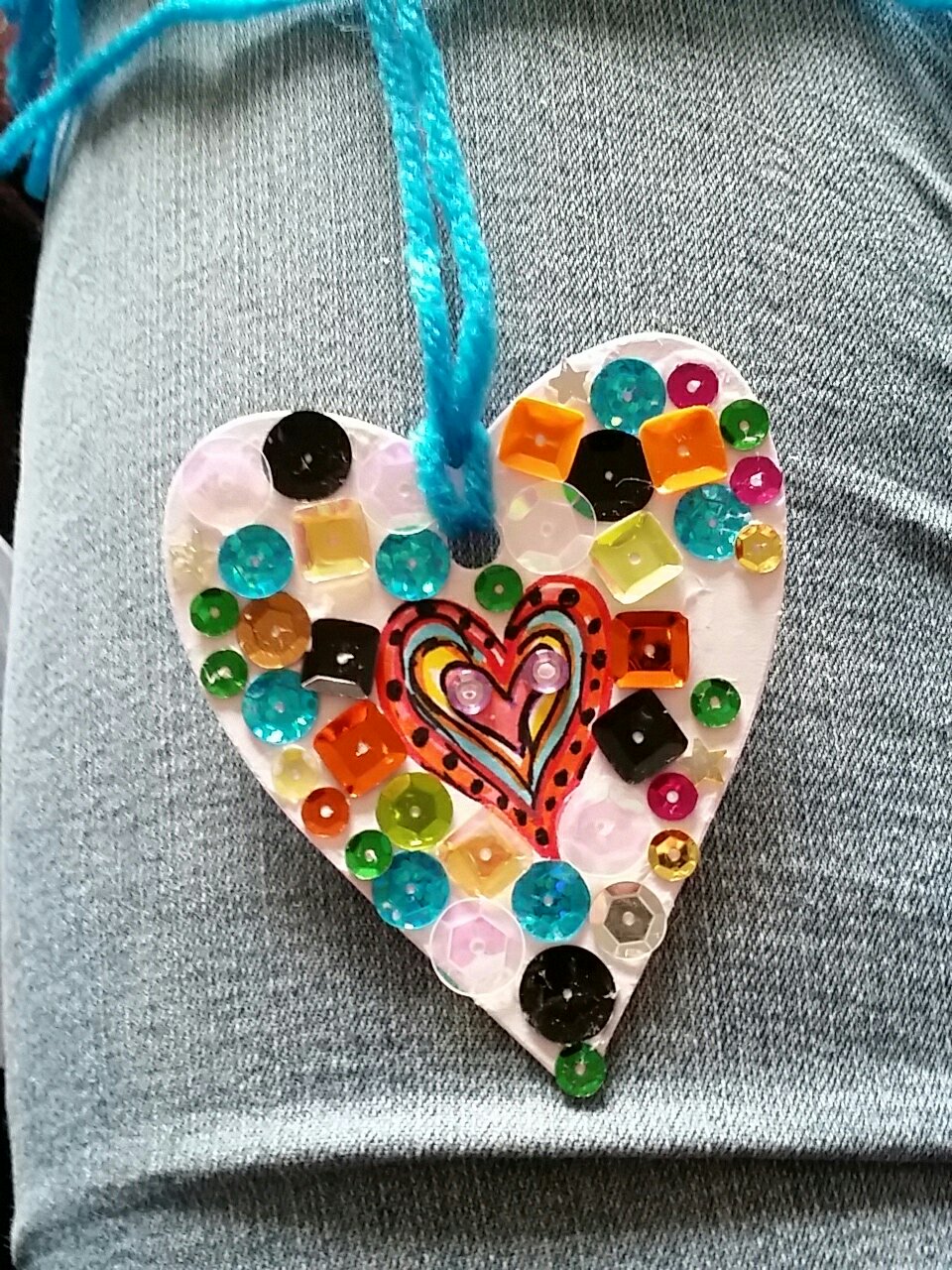
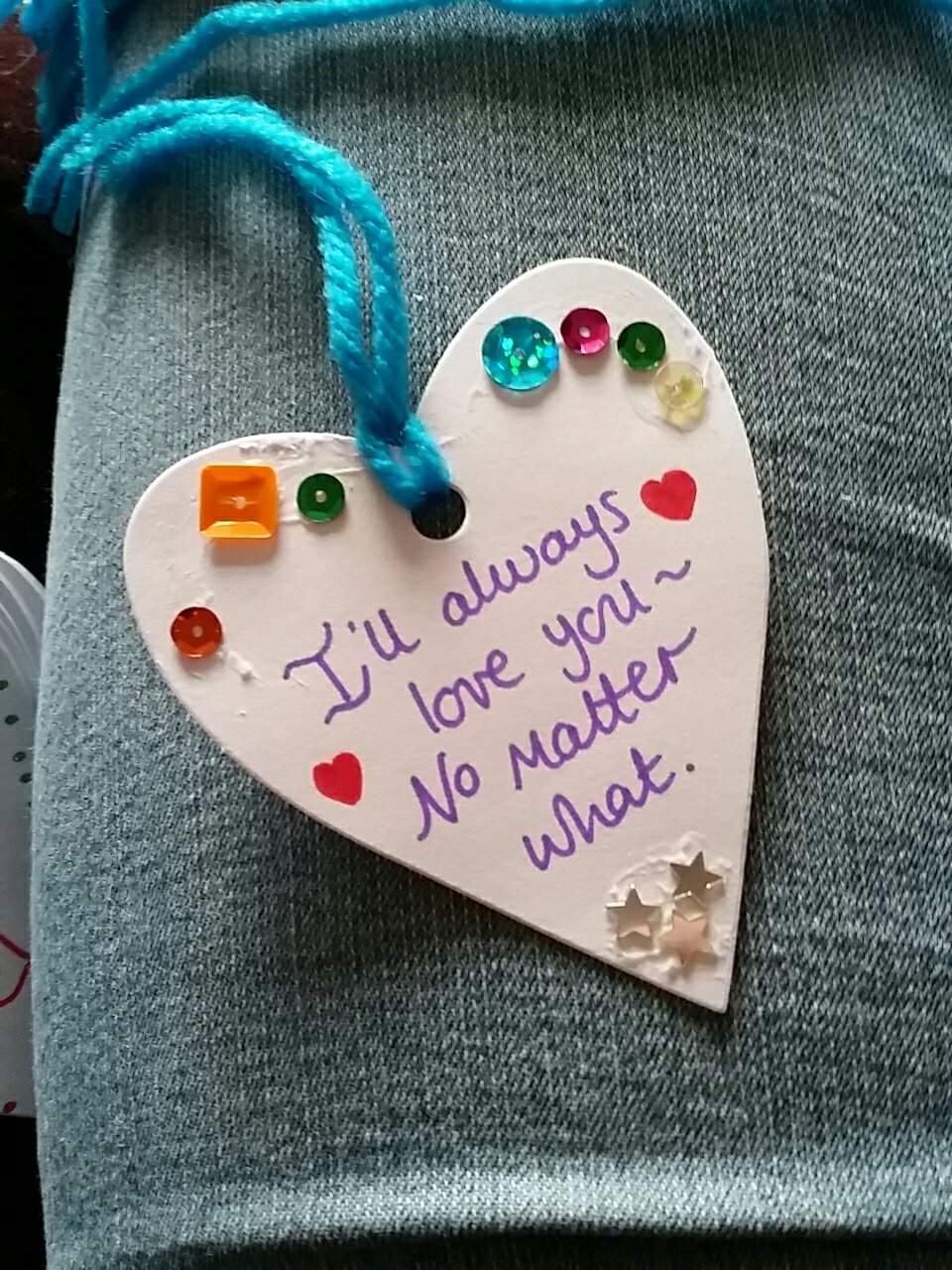
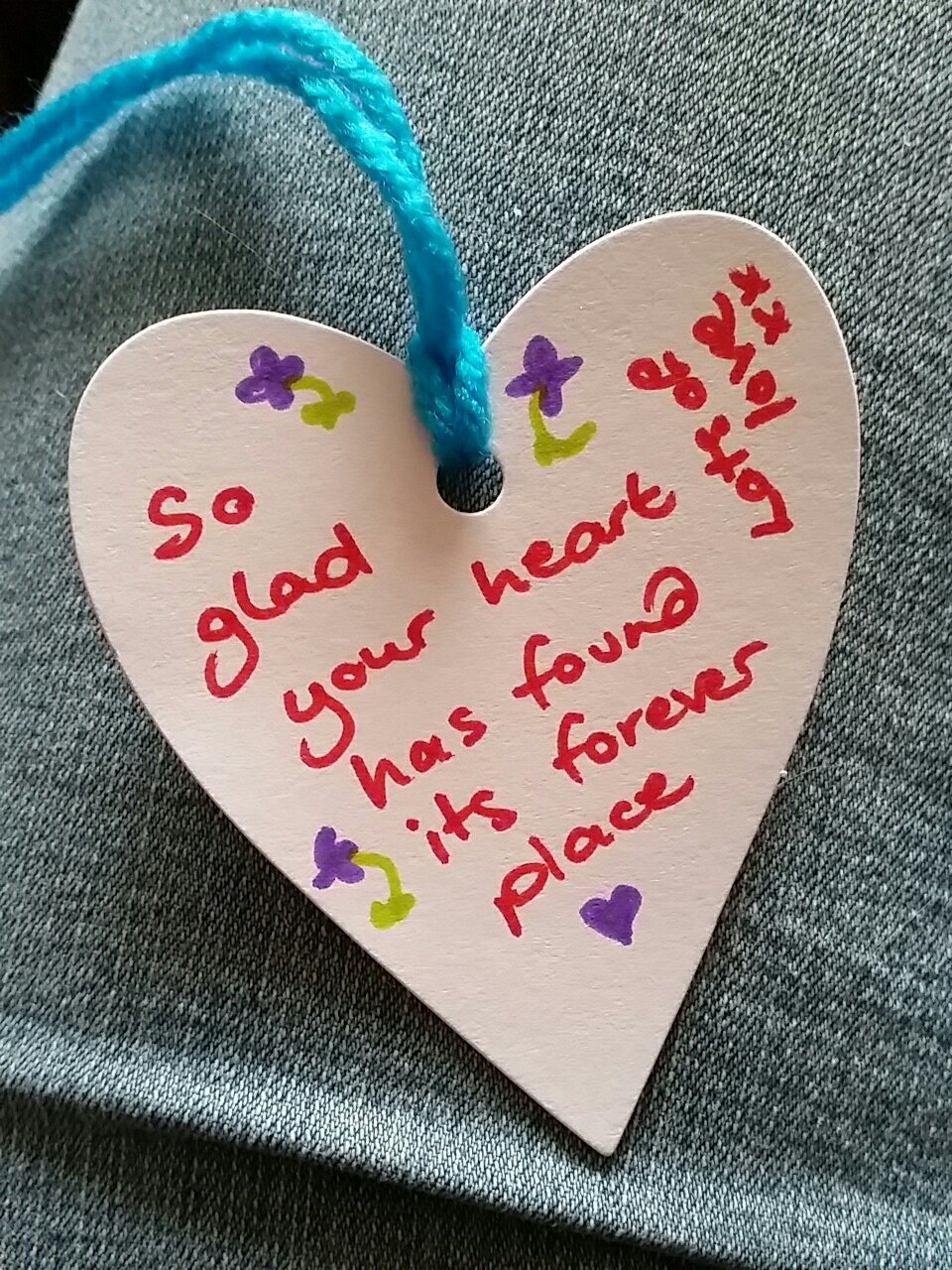
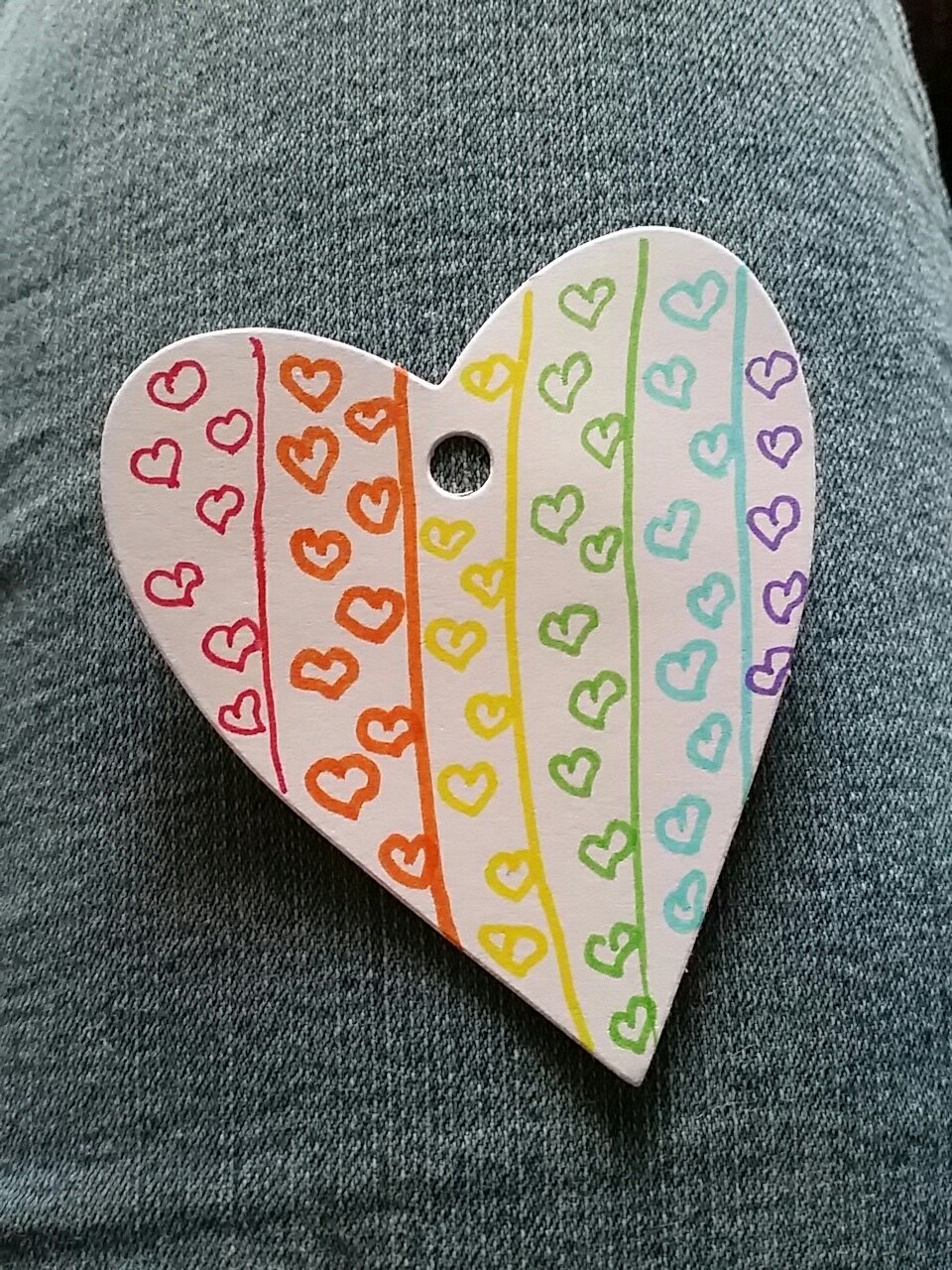
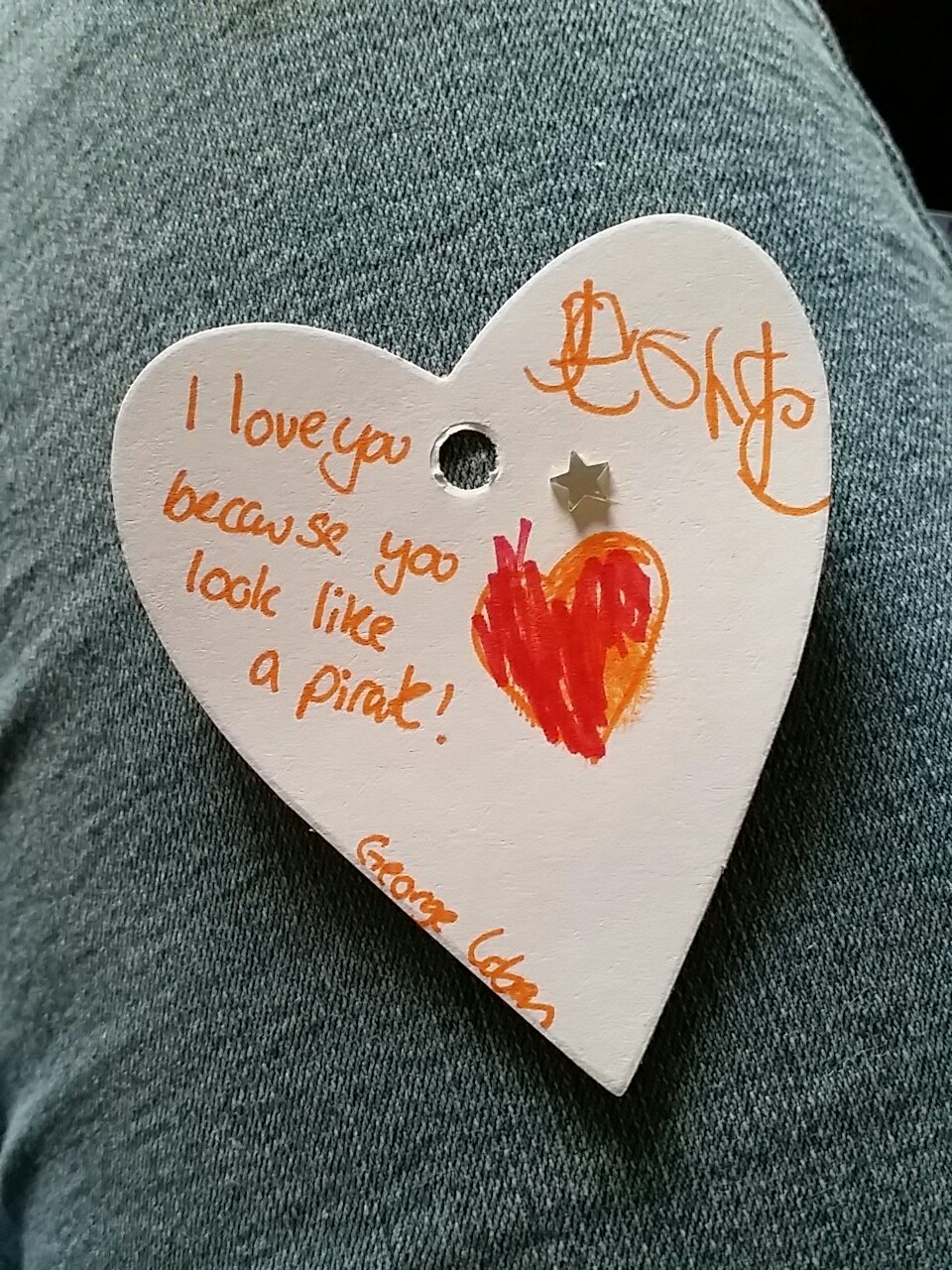
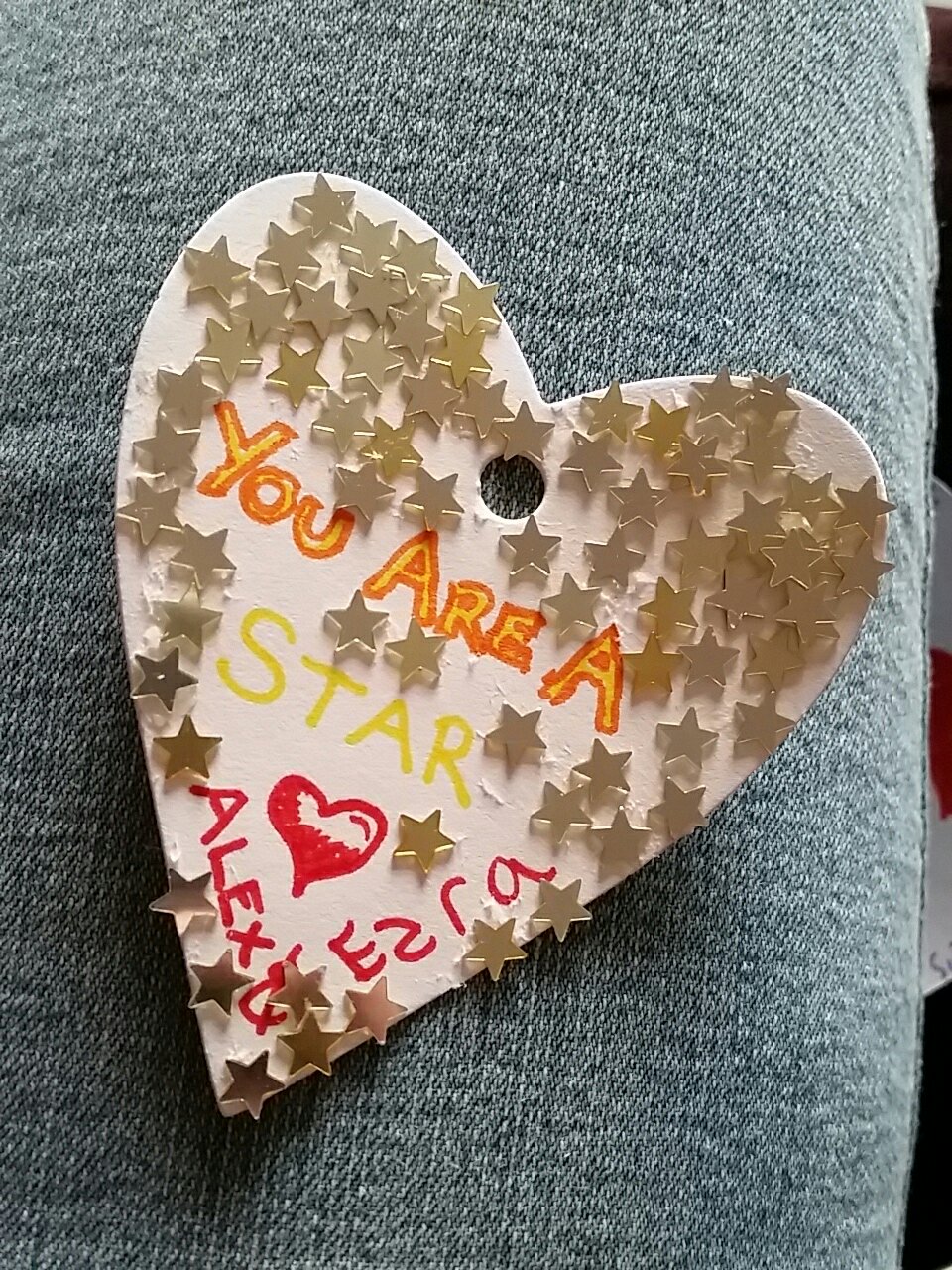
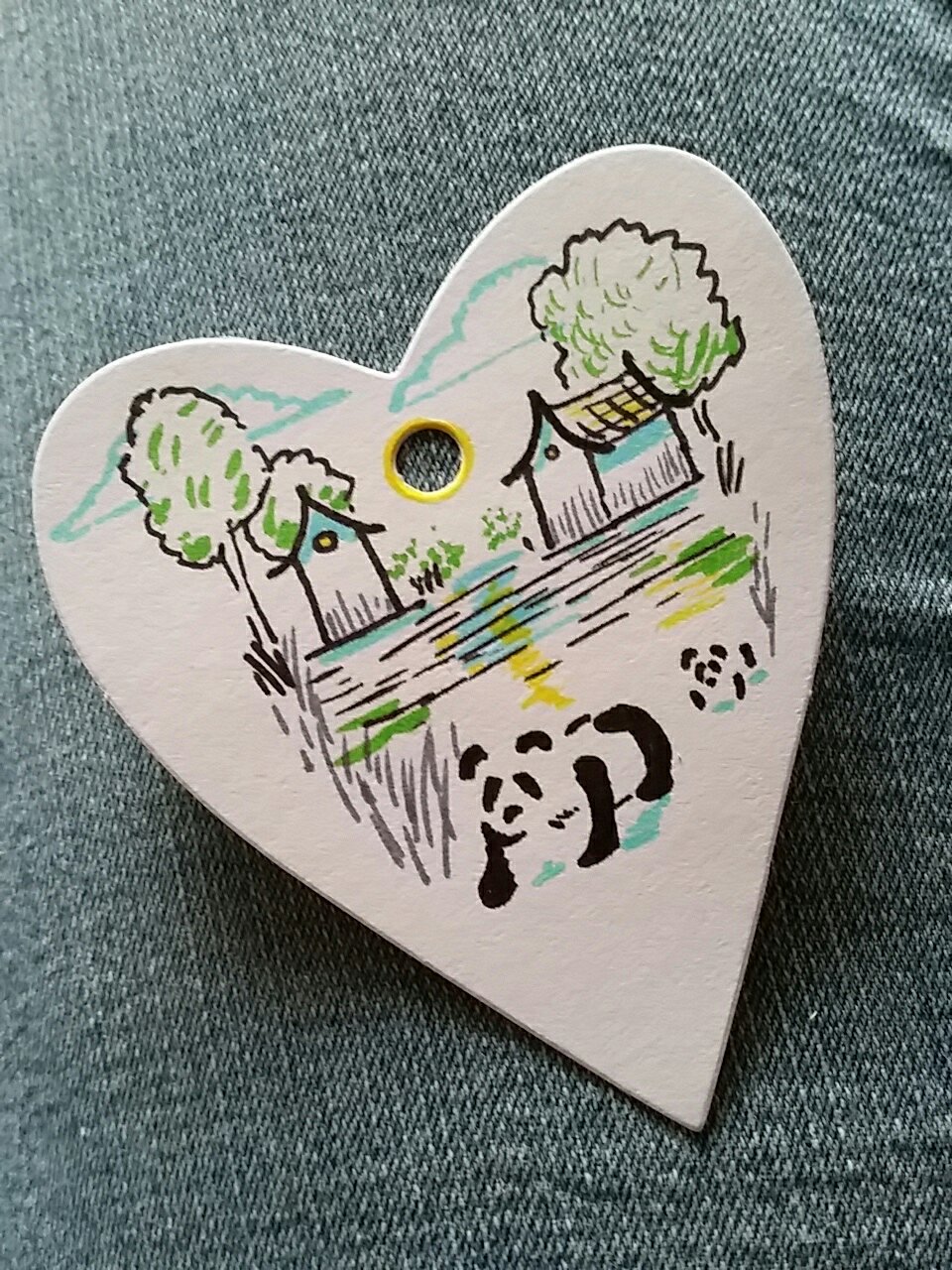
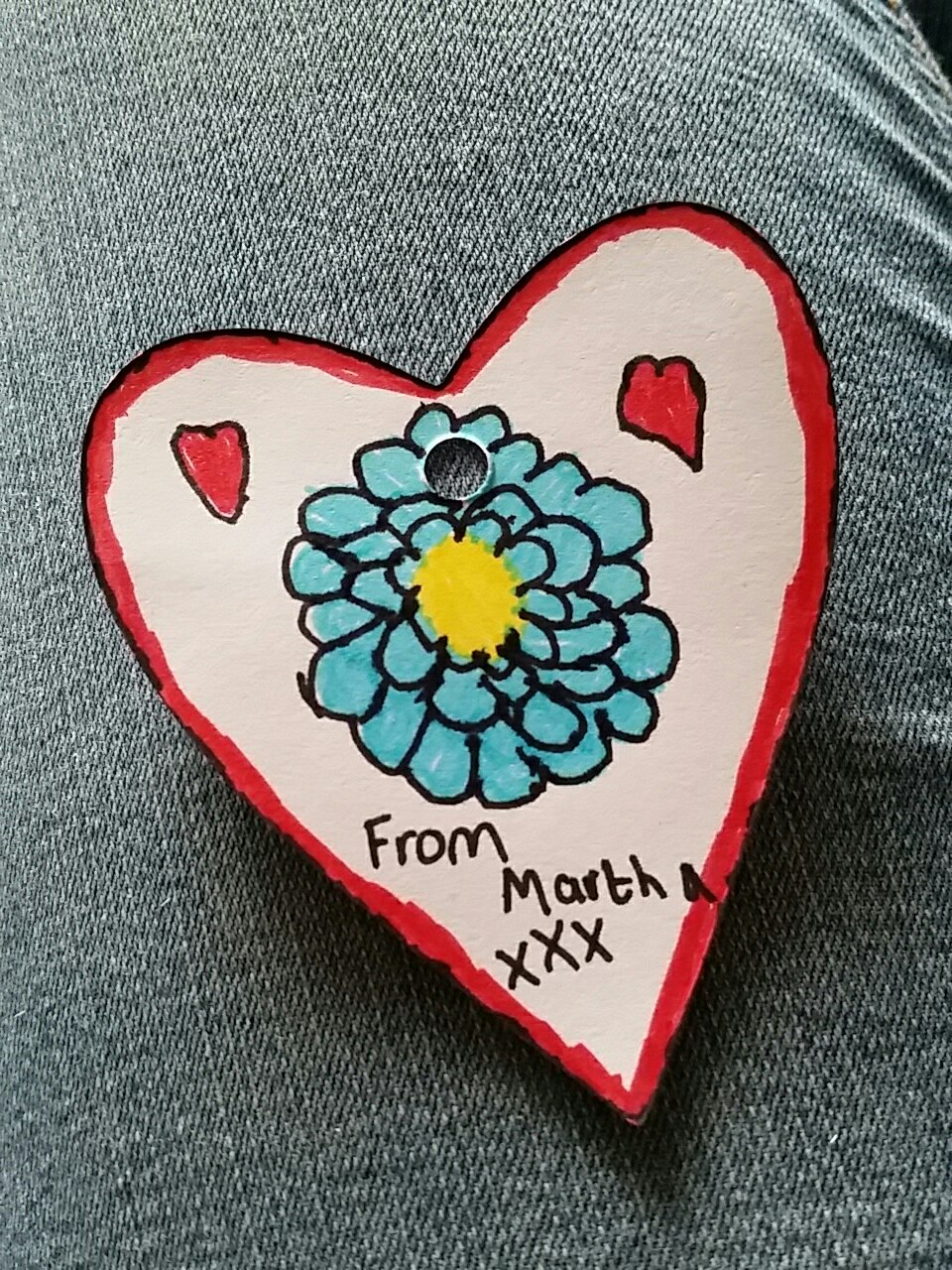
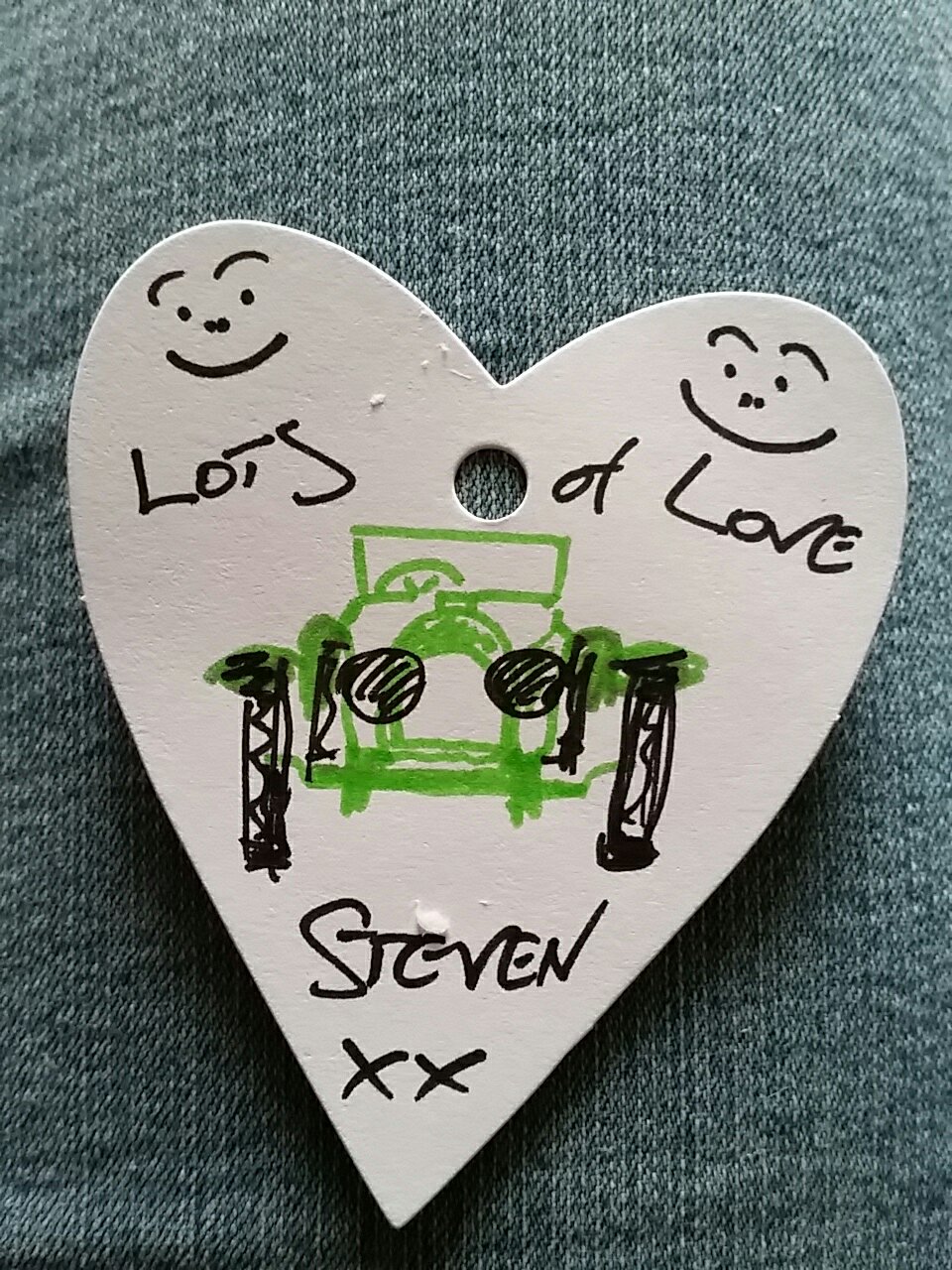
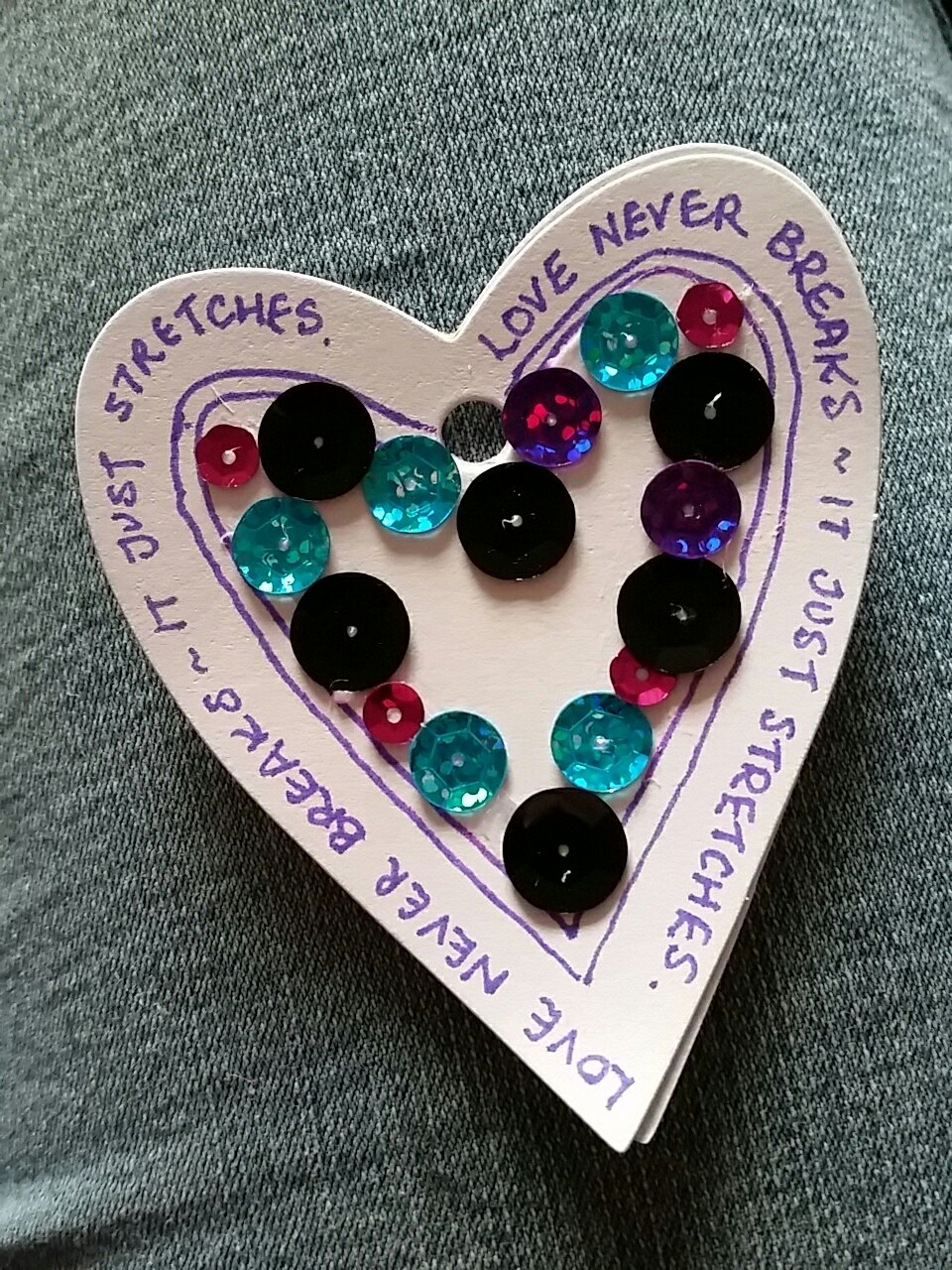
    Last year, at her adoption celebration, our friends and family decorated small card hearts for her. Some wrote messages on them. Some went sequin crazy. Some drew pictures or just signed their name. But whatever they did, each heart represents someone who cared enough to be there. Someone who loves our family and wanted to celebrate with us.
    Now, every time she goes into her bedroom, she is reminded of all the threads of invisible elastic that connect her heart to those of others. She sees how many people love her. And hidden among the hearts are words or drawings of encouragement and love that will always be there for her, in good times and bad.
    To all those whose hearts are connected to ours, thank you.
    “For love, though it stretches, never breaks or bends.”


  • I will remember them…

    My Grandad used to try and catch us between his feet when we walked past him. Filled with just the right amount of fear and trepidation, I’d summon up all my childish courage and try to reach the other side of the room without him catching me. I never managed it.

    I will remember them...

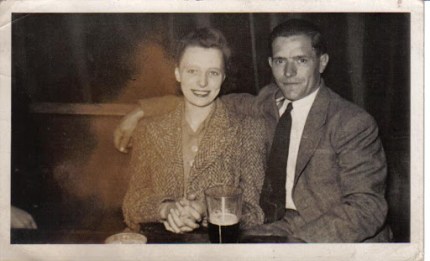
    He had brown weathered skin from years working outside as a builder, a tattoo that said ‘Mary’ even though my Nan’s name was Annie, and he always wore slippers. When my mum was young, he used to do the washing up when it was her turn so that she didn’t have to. Legend has it he once dangled a dead mouse through the window to frighten one of my Aunties while she was having a wash. And the love he had for my Nan drew from her the most tenderness I ever saw her express.

    He also hated Remembrance Day.

    Born in 1918, he was 21 when World War Two broke out. I know far less than I’d like to about his time during the war. I do know that he met my Nan while on active service. His step-sister, Evelyn, was her best friend and she persuaded my Nan to write to him while he was in the army abroad. When he came home after his demob, they started going out.

    Three weeks later, he told her they’d be getting married on 14 November 1944. He never proposed, just went ahead and got a special license. Gobsmacked, my Nan went along with it (which was more than a little out-of-character!) but she never regretted it during the fifty years they spent together. He taught her to dance; she said he was a very good dancer.

    I also know that he drove a tank. Family legend tells how, while learning to drive it in Wales, he crashed his tank straight through a pub wall. He must have been desperate for a pint.

    His army training eventually took him to North Africa, Italy and Israel. He was a gunner. While abroad, he befriended a dog which followed him around everywhere he went. When he had to leave, knowing he couldn’t take it with him but unable to abandon it, he felt he had no choice but to shoot it. That must have broken his heart; he loved animals.

    I never heard him speak in any detail about what he’d seen or done during his time in the army, but I know it shaped his view of war and I know that the hell he saw mankind throw at one another made it difficult for him to believe in any kind of loving God.

    Recently, I have discovered that his own experiences weren’t the first time he had seen the effects of war. His father, my great grandfather, Richard Heggie served in the Royal Lancashire Regiment and the Labour Corps during World War One. He went to France on 4 September 1915, aged 28, leaving his wife, Rose, at home about to give birth to their first child. By the end of the war, he had gained three medals and lost the use of his legs through shell shock. Confined to a wheelchair, his relationship with Rose grew increasingly strained, eventually reaching the point of collapse, and life was hard. He received a weekly pension of £3 2s 6d, the equivalent of approximately £115.56 today. Born in 1918, my Grandad never knew his father before war had broken him and robbed him of his potential; the aftermath of war, the physical and emotional scars, were what my Grandad grew up with.

    And having discovered all of this, I understand why I never saw my Grandad wear a poppy. I understand why he resented the necessity of charity to look after fallen servicemen, why he felt so strongly that when a country sends its young men off to war and they come home wounded and broken, that their country should have the decency to look after them.

    And I understand why he came to hate the pomp and the ceremony and the glory and the heroism attached to Remembrance Day. Because he said that when he saw his friends die around him, when he saw what humanity inflicted on one another, there was no glory and there was no victory and there was no heroism in that. There was no heroism in those violent deaths, no willing giving up of lives; they were men, ordinary men, each of them desperately wanting nothing more than to emerge from their hellish experience as unscathed as possible and return home to their wives, children, mothers, fathers, brothers, sisters, friends.

    My Grandad was and is my closest link to the horrors of war. His experiences are part of who I am. And I don’t understand why, following World War One, and World War Two, and the peace treaties, and the establishment of the United Nations, and the talk of “Never again” and “The war to end all wars” – I don’t understand why we still do it to each other.

    But I do understand why my Grandad didn’t buy and wear a red poppy, or join in with formal acts of remembrance on Armistice Day and lay wreaths at the war memorial. Because for him, all of that didn’t fit with the memories he had to remember. But he did remember. Even though he didn’t wear a poppy. How could he not?

    I am not against the red poppy – my daughters have both supported the poppy campaign at school and I see the value in much of the work carried out by the Royal British Legion.

    But on Remembrance Day, I will choose to wear a white poppy for peace because for me, that fits. It fits with my Grandad, with his memories of the horrors he saw, and with my Great Grandad. Their stories will be passed on to my children and I hope that they will both
    grow up to be advocates for peace.

    And although my poppy will be white, not red, in my own, quiet, unceremonial way, I will remember them. My Grandad. His friends. His father. And all those – soldiers and civilians – who have been ravaged by our inability to stop killing one another. And I will pray for peace.

  • Found…

    ac17e-dscf3159Almost three years ago, we adopted our daughter and we love her to bits. Our family life is messy, imperfect, full of laughter, sometimes difficult, and beautiful. This week is National Adoption Week (5-11 November 2012) and this is the story I wrote for our little girl earlier this year to celebrate finding each other…

    There was once a little girl who found herself all alone in the world.

    I say all alone…

    There was the thing that she carried with her everywhere she went. It was a strange thing, she didn’t really know what it was, but she knew it was beautiful and she knew it belonged with her. Sometimes, when she looked at it, she felt like she could see everything that had ever happened to her. And sometimes, deep beneath, she caught a glimpse of something shimmering as it darted about, moving too fast to ever truly be seen.

    God watched the little girl everywhere she went. It was he who had put the shimmering light in the heart of the thing and, though she didn’t know it, he was always with her.

    The little girl often felt that there was something she ought to do with the thing, but try as she might, she could not work out what it was.

    And so she made her way through the world, carrying the thing with her wherever she went, seeking and searching for someone who could help her find the answer.

    Sometimes, on her travels, she met people who walked with her for a while and tried to help her in her quest. Some carried the thing for her but that never felt quite right. Some hid it from her where she couldn’t see it – but that felt even less right. Some sat and gazed at it with her, but that didn’t help either.

    Some of them walked beside her for miles, protecting the thing from the wind and the rain, sheltering it from the cold and the dark, and as they walked with her, she saw the shimmering light a little more often and sometimes it moved a little more slowly, as though it didn’t mind being seen. But still she didn’t know what the thing was for.

    Then one day, as she walked, she saw two people she’d never seen before, a man and a lady. As she looked closer, she saw that each of them carried a thing like hers, but there was something different about them. For although their things were separate and distinct, they were also joined together, they belonged to each other, they carried them together. She was curious and looked at them closely as she passed by. Their things were more beautiful together than hers was, on its own, but still something seemed to be missing from them.

    A few days later, she saw them again, then again, and again. She began to look for them as she walked, until one day she realised that they had seen her too. She stopped and looked and they stopped too. The thing in her hands hummed and buzzed a little. Then she turned and went on her way.

    As she walked, the thing continued to hum and to buzz, lightly and quietly at first, then stronger and louder. She stopped. Turned.

    And there they were. The man and the lady, just a few steps behind.

    Together, they lifted the things in their hands towards the little girl, and smiled. She looked at them, and stepped towards them.

    She lifted the thing that she had carried for so long towards theirs – and it was a perfect fit. At once, her hands felt lighter. She looked deep into the heart of the thing and there was the shimmering light, glowing steadily.

    Then God gave the light a little nudge and it moved next to the lights of the man and the lady.

    And the girl felt happy. And the man felt happy. And the lady felt happy. And God felt happy.

    Their three things together made a beautiful, imperfect whole.

    They smiled at each other, took one another’s hands, and began to dance through the world, and their lights danced too, sometimes dancing in perfect step with one another, sometimes dancing their own dance – but always knowing that they belonged together and that their lights would always guide them home.


    © 2012 Julie Wilkinson