Tag: Schools

  • A Decade of Refugee Voices

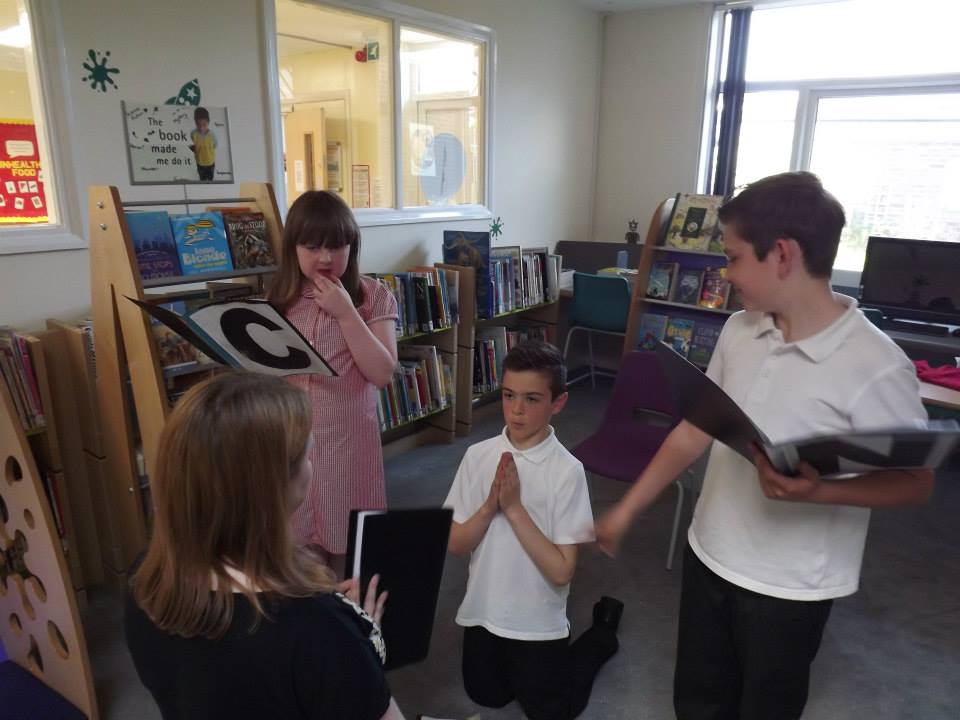
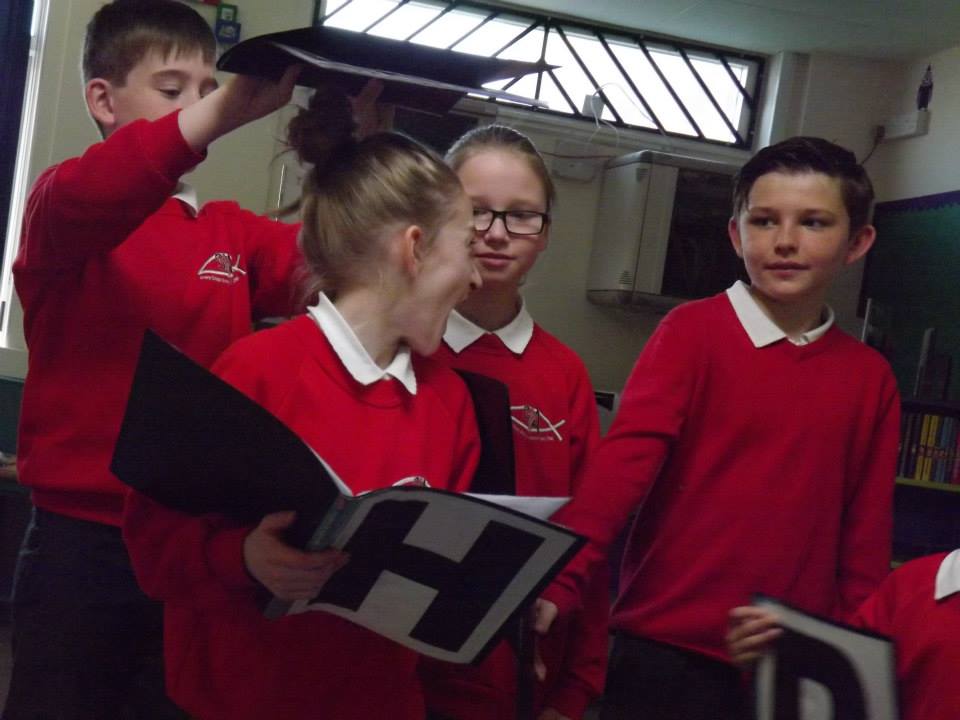
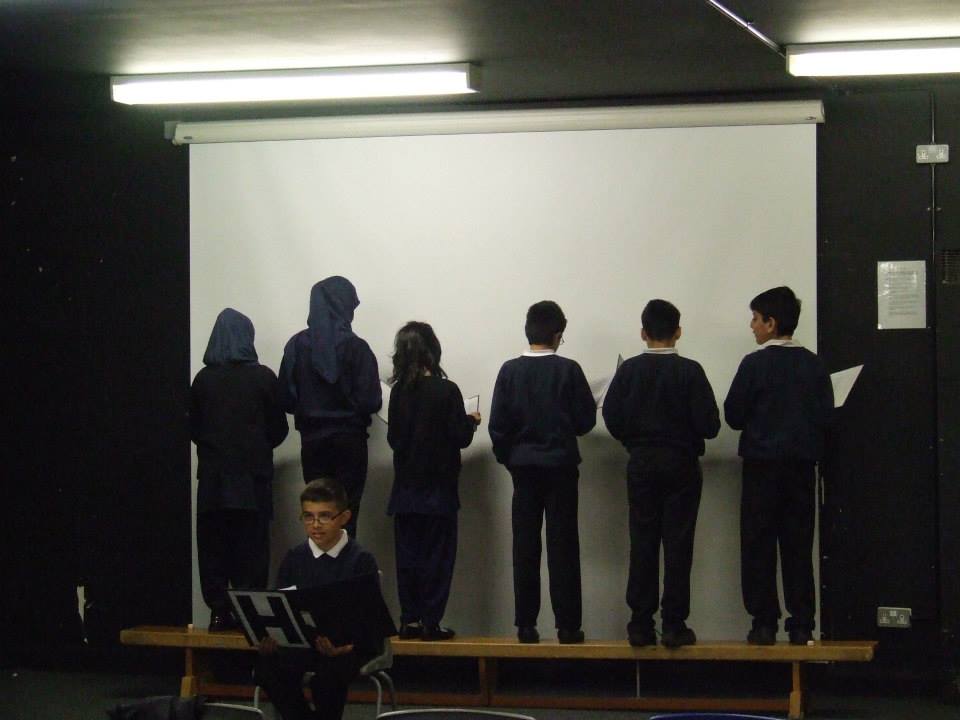
    Ten years ago, I flew by the seat of my pants into a secondary school I’d never worked in before, my friend Amy, an actor, at my side. Our task – to prepare and perform a play in a week with a group of nine 11 and 12-year-olds. The subject – retelling three true stories of refugees who had lived in or passed through Bradford, in their own words. The script – freshly written, untried, untested. The aim – to educate the children on what it means to be a refugee so they could act as peer educators to their classmates.

    We had four mornings – approximately 12 hours – to educate them on a topic they knew next to nothing about, run myth-busting sessions, sensitively share stories, workshop and block 11 pages of script into a performance that would hold the attention of other year sevens.  

    We had no idea if the project would work.
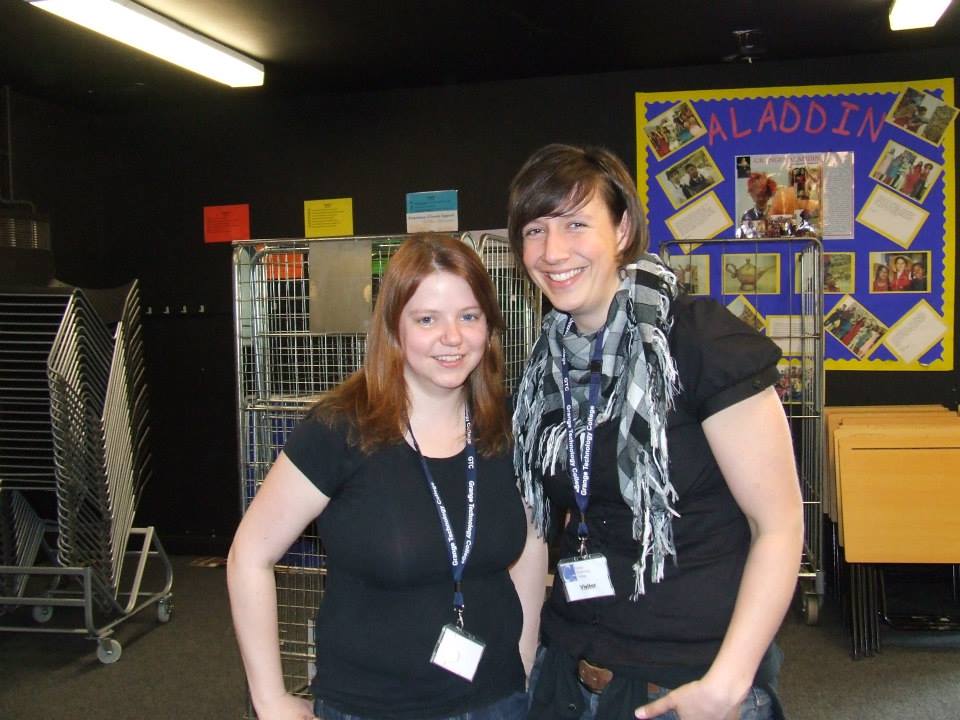
    Working with Amy on the Refugee Voices pilot project, April 2011

    On the first day, when we asked what they already knew about refugees, one boy shared the things his father told him from reading the tabloid newspapers. “They come over here to take our jobs, they get loads of money and big houses, they pretend to be in danger but they’re not really, they could just live somewhere else, they want to come here because we’re too soft.”

    We gave him the main role in the play. He spoke the words that had been gifted to us by Michael, a Zimbabwean lecturer who came to the UK to take care of his sick daughter and found himself unable to return home. It took the UK asylum system 6 years to verify his claim and grant refugee status. He lost his career, his income, his family, his home.

    The boy who was playing him came in one morning and told us he’d been in the park with his dad the night before. They’d seen a family they assumed to be refugees. His dad had started talking about them; and the boy turned to him and shared all that he had learned, the facts and the figures, the truth about the UK asylum system, correcting the myths propagated by the press.
    And at that moment, we knew we were on to a good thing. That the project had worked. And that its purpose – building empathy and respect for those who have to flee their home countries in fear of their lives – was vital.

    Since that first week, a decade ago, we have run the project more than 40 times. More than 400 amateur actors have performed our stories to over 2,300 people.

    I have taken part in many thoughtful and sensitive conversations with children and young people, as they seek to meaningfully grapple with issues of power and war and displacement.

    I have felt the dawning of deepening understanding in the silent, freeze-frame acting of torture and funeral scenes.

    I have witnessed the discovery of light in the shadows, in the joy of a wedding scene, the warmth of welcome, the strength and kindness and determination of the human spirit.

    I have seen a group of children support their classmate, a recently arrived refugee still getting to grips with English, to take part in the play alongside them.

    I have seen young people determined not to take an interest at the start of the week thrive on the buzz of a powerful performance, declaring it the “best week of our lives!”

    And I have seen their fire burning against injustice, their commitment and determination to tell the stories they have been entrusted with, truthfully and with respect.
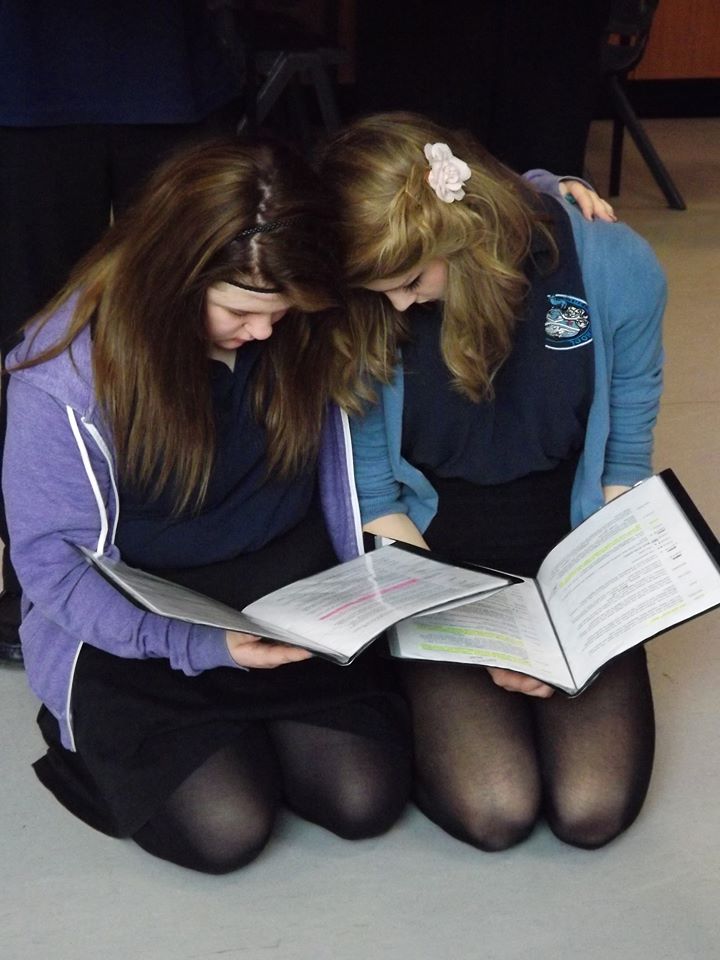
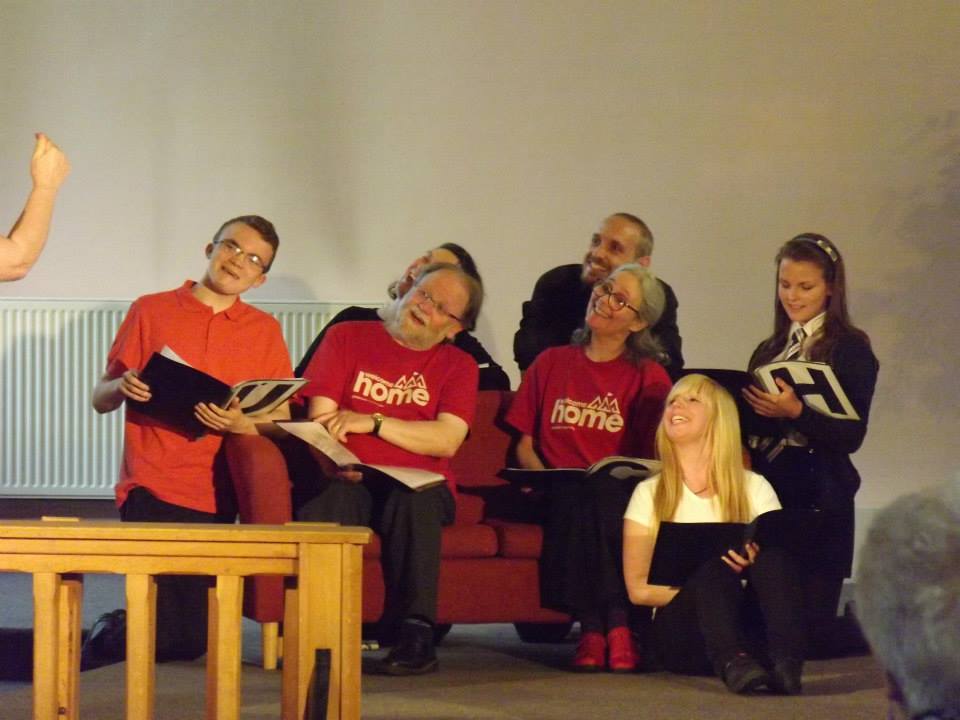
    Since that first pilot project ten years ago, we worked with Bradford’s City of Sanctuary group to set up the Schools of Sanctuary project in the city, establishing an annual art exhibition for Refugee Week, where artwork from refugees, schools, and professional artists is displayed alongside one another. The stories included in the script have been told in song, through artwork, and in animation.

    And when I think back to those first tentative, uncertain steps, I am so glad that we took them. I love this project – it is needed now more than ever. The power of stories, of shared experience, is such a vital tool for changing hearts and minds and building a kinder, more empathic world.

    More than anything, I am thankful to those who entrusted us with their stories. To Michael, Jhora, Richard, Judy and William. What a privilege it always is to tell them – and to see them changing lives.

    *The man whose story goes under the name of Michael in our script sadly passed away earlier this year. He was the first to entrust us with his story, seeing the potential in the project and offering up his own words and experiences. He came to watch one of our early performances, hear the song inspired by his story, and speak to students afterwards; he was visibly moved by the experience. He was a larger-than-life character and a key contributor in bringing Refugee Voices to life. We won’t forget him.  


    Refugee Voices is a ground-breaking drama project created by Storyteller Julie Wilkinson and run in partnership with the Zephaniah Trust – find out more about it here.
    You can watch the online performance of Refugee Voices, filmed for Refugee Week 2020, here.
  • When Schools Reopen…

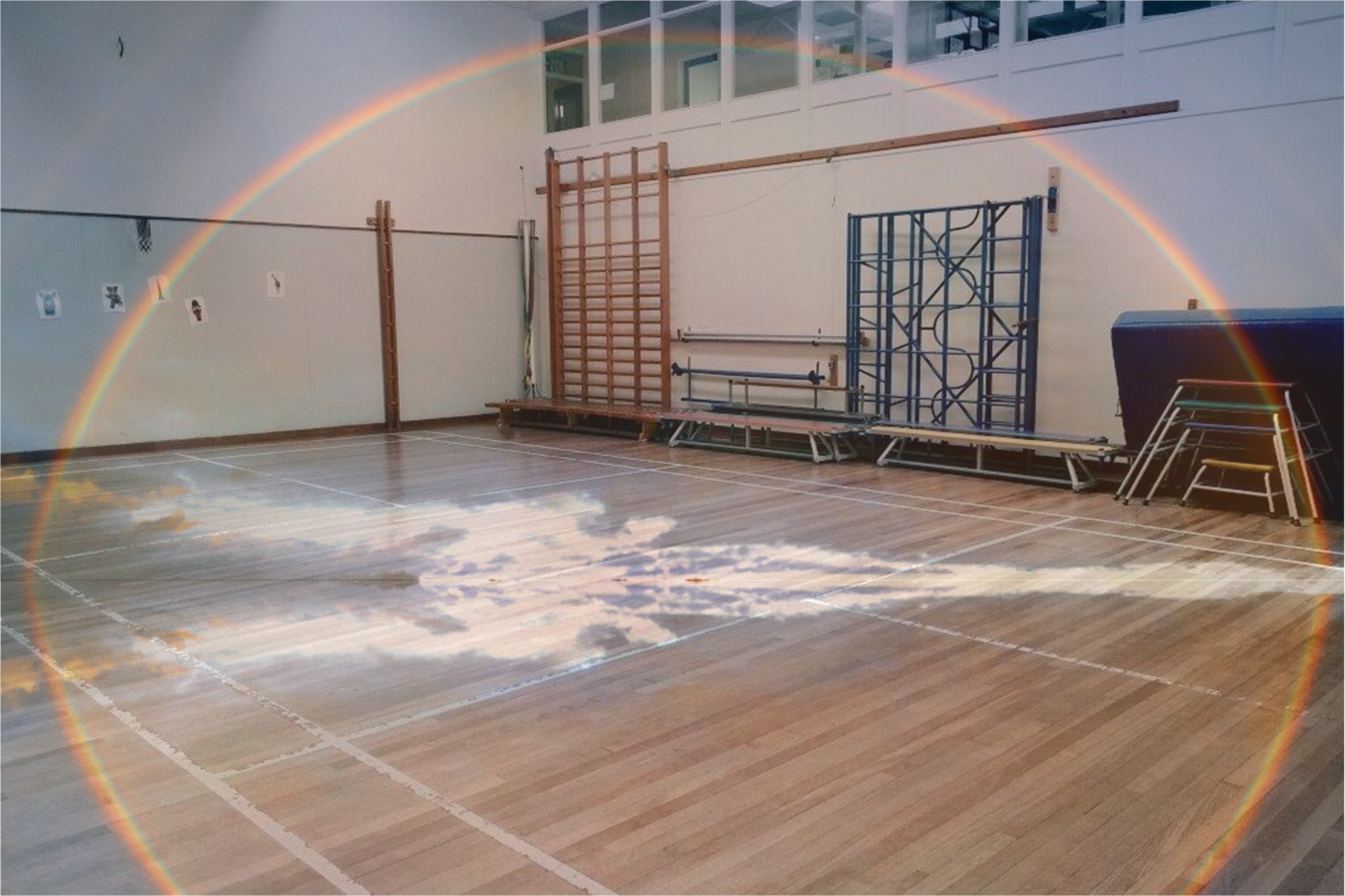
    Rainbow School Gym

    When lockdown begins to lift,
    And school doors open more widely
    To re-embrace students and staff,

    May we be brave enough
    To turn our backs on the sprint
    After lost academic progress,
    And choose instead
    A time of healing and restoration.

    May we take the time to acknowledge
    The sudden fracture in our way of life,
    Shared fear, collective grief,
    Friends and family members lost,
    Those missing from our communities.

    May we recognise that, for some,
    School was the safety and the sanctuary
    That home could never be,
    That as we move to lock threat out,
    Some have it locked in beside them.

    May we recognise that, for others,
    School was a daily, hourly struggle,
    And home their safe port in the storm;
    And they fear setting sail from their refuge
    Into the battering onslaught of wind and wave.

    May we recognise that, for some,
    School didn’t close, but changed,
    Anchoring those whose loved ones
    Daily held the front line to face the threat
    From which the rest of the world was hiding.

    May we recognise that, for others,
    Returning to routines that are familiar
    Yet unfamiliar, the unsettling uncertainty
    Of socially distanced classrooms will spark
    A survival response to an ever-present threat.

    May we recognise those teachers and staff
    Who, faced with a nation staying at home,
    Took themselves out to care
    For the children who needed them most,
    Resisting the instinct to protect their own first.

    May we recognise those educators
    Who stepped up to keep on educating,
    Rapid adaptation into virtual teachers,
    Creatively keeping contact
    And serving school dinners to those in need.

    May we recognise that mass home learning
    Cannot produce uniform mass results,
    That the progress made by our children
    Will be valuable and varied and visible
    In ways the system will not measure.

    May we recognise that each of these –
    Each child
    Each young person
    Each teacher and staff member –
    Come from families who may have struggled
    In a myriad of ways.

    Let us recognise all of this and more,
    And let us respond
    With a time of healing and restoration.

    Let us, for once,
    Abandon our British stiff upper lip,
    Name and identify our confused emotions
    With scientific precision,
    So they can be processed and safely stored.

    Let us hold on to valuing connection
    And the sense of community we have built.

    Let us remember how the arts and music,
    Play and collective creativity
    Fed our souls and tied us together,
    And let us weave them into a flexible foundation
    For the future of our schools.

    Let us step away
    From reigning through rules,
    Choosing instead
    To regulate through relationship.

    May we salute and applaud
    The courage of teachers and headteachers,
    Teaching assistants and support staff,
    Who will take this opportunity
    To build a Brave New World.

    Let us listen to the experts
    In mental health and wellbeing,
    Neuroscience and child development,
    And learn from them how to be
    A nation that nurtures our children.

    When lockdown begins to lift,
    And school doors open more widely,
    May we be brave enough to choose
    A time of healing and restoration.


    © Julie Wilkinson 2020


  • Small but significant…

    Nine years ago, I left university. With an English degree under my belt and an unknownc future stretching ahead of me, I embarked on a Gap Year working for my church. My work co-ordinator was a hairy gentleman by the name of John.

    It wouldn’t be over-stating things to say that that year changed my life. I found a husband (David, not John, although they do share a commitment to beards). I became a storyteller. And I discovered what it was that I needed to be doing.

    As part of my work, John arranged for me to go into a local primary school for one afternoon a week, supporting the teacher with their year two class. It was a typical class of children; from the timid girl who played with her hair whenever she spoke, to the giggling gaggle of girlies who were inseparable, from the boy who always had a smile on his face and a piece of Lego in his hand, to the lively pocket of lads who never quite managed to do what they were supposed to be doing. It was a place that was full of life.

    After several weeks, the teacher discovered that I was a fledgling storyteller and asked me to tell a story to the children at the end of the afternoon. This quickly became part of the weekly routine. I loved it – and so did the kids.

    But it was one boy in particular that I’ll never forget. He was one of the naughty boys, the ones who couldn’t settle to their work, who were always in trouble after playtime, who had a knack for being in the wrong place at the wrong time. But he had a glint in his eye and a cheeky little smile and I know that he had a good heart.

    One week, he sidled up to me during ‘Golden Time’, the magic half hour at the end of the day when the children were allowed to choose what they wanted to do. This was one of those rare occasions when he had managed to not get into so much trouble that he had his golden time taken away.

    “Miss,” he said, leaning towards me.

    “Yes?”

    “What story are you telling today?”

    “Well…” I said. “I can’t tell you the story, cos it would spoil it…”

    His face fell a little.

    “But… I could give you a hint or two, just to give you a taste for it…”

    He looked up at me.

    “There’s a frog in it,” I said. “And a princess. And a talking tree.”

    He pondered this information briefly, then announced, “I’m going to draw the tree!”

    And off he went. When he returned a few minutes later, he brought with him a sheet of paper with a pen drawing of a tree in the middle of it, orange and green with a face carved into the trunk. And it was beautiful. He had a real talent.

    “Would you like to stand and hold your picture up when we get to the bit with the tree?” I asked.

    He nodded.

    So that’s what we did. When I got to the bit with the tree and he stood up, there was  a moment when his teacher wasn’t sure, when she assumed that he was doing something he shouldn’t, because that’s what he always did. But the moment passed, and he stood there, proudly holding his picture, for the rest of the story.

    It was a small moment, just a brief passing of time in one hour of one day of his whole life. But that moment made a difference. Because in that moment he knew what it was to be proud of himself, to feel like he’d achieved something. It was a good moment that he could share with his mum as they left school together.

    And from that moment, I knew that this was what I wanted to do.

    I love the charity I work for. It shines light and spreads hope wherever it goes. Those moments of light and hope may be small ones, but I believe that they really do make a difference.

    The schools we visit are wonderful places, full of life, where God’s image can be seen reflected in so many different people. But they are also places that need to see God’s light shining. In every school, there are adults and children who carry burdens, who need to know that God is there and God is real. They need us to keep our light shining.

    I still have the tree picture…